































How to Manage Dust Control on Remote or Off-Grid Civil Projects

Construction sites all face a common challenge…. dust; and remote and off-grid civil construction projects are no exception. Whether it’s a minor road upgrade or large-scale earthworks, uncontrolled dust can create safety hazards and lead to environmental compliance issues. However, unlike urban construction sites, remote projects often encounter additional challenges. Most have limited access to water, and face difficulties with logistics and harsh weather conditions.
Creating a strategy to manage dust builds a safer work environment and keeps projects productive and compliant throughout construction.
Table of Contents
Why Dust Control Matters
Most activities on site generate dust; from earthmoving to grading, from excavation to vehicle traffic; and can cause serious issues. Dust reduces visibility, which increases the risk of vehicle collisions and machinery accidents.
Dust is also a health risk for workers. Being exposed to these fine airborne particles can irritate the eyes and respiratory system and may even lead to more serious long-term health conditions.
Furthermore, excessive dust can settle on nearby vegetation, enter waterways, affect livestock, and generate complaints from neighbouring landowners or communities.
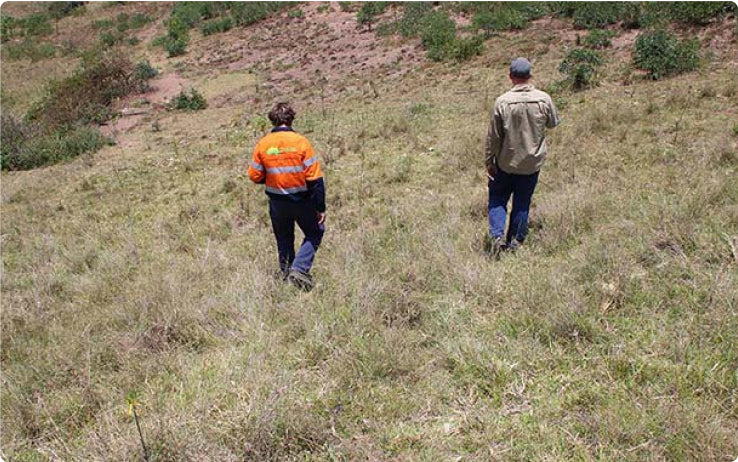
Assess Site Conditions Before Work Begins
Environmental conditions are a key factor that influences dust generation. Before construction starts, the following should be assessed:
- Soil type.
- Wind direction.
- Seasonal weather patterns.
- Traffic volumes.
- Environmentally sensitive areas.
Understanding these conditions means project managers can identify high-risk areas and implement targeted dust suppression measures before problems arise. Dust management should be included within the project's environmental management plan, to ensure responsibilities and monitoring procedures are clearly defined.
Make the Most of Limited Water Supplies
While water is one of the most effective dust suppression methods, remote projects often have limited access to reliable sources; and having to transport water over long distances significantly increases project costs and puts added pressure on logistics. So rather than applying excessive amounts of water, focus on efficient application techniques instead.
Fit water carts with spray bars to deliver consistent coverage across haul roads, and schedule applications for the hottest and driest periods to maximise effectiveness.
Monitor weather forecasts so watering schedules can be adjusted according to expected wind conditions and temperatures. This will reduce unnecessary water use.
Consider Alternative Dust Suppression Products
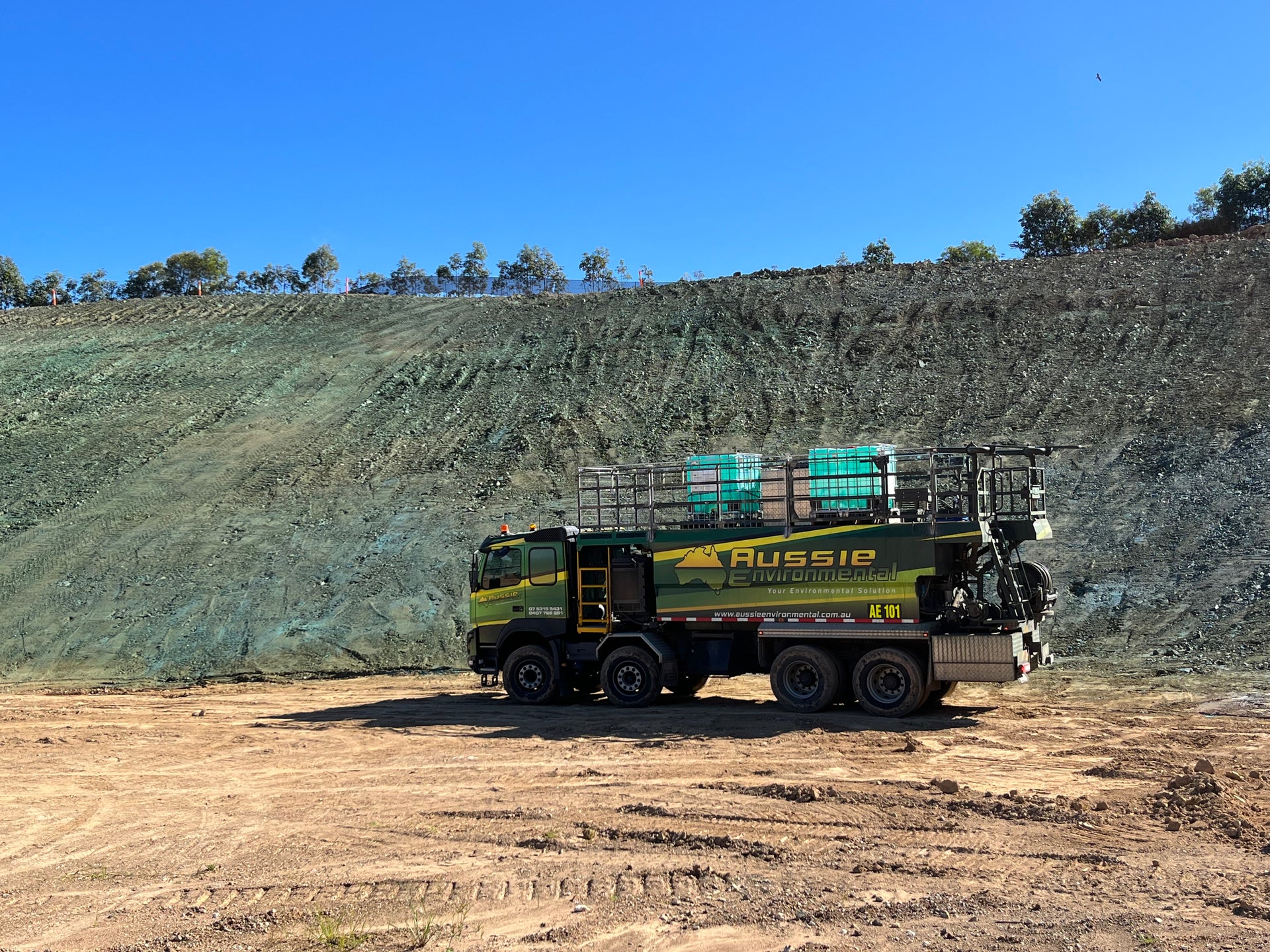
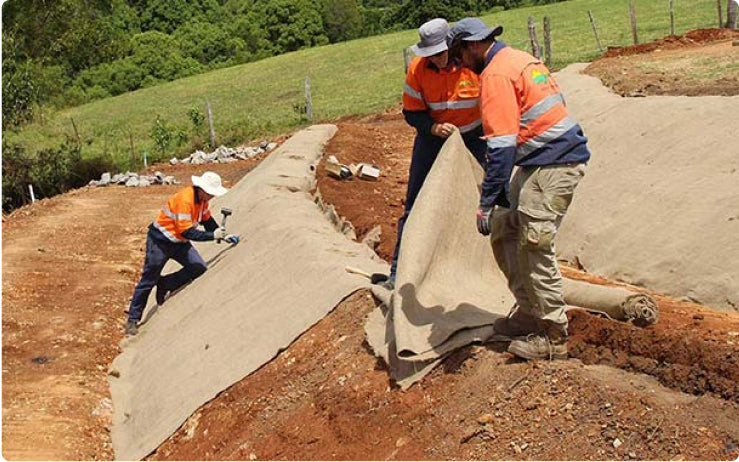
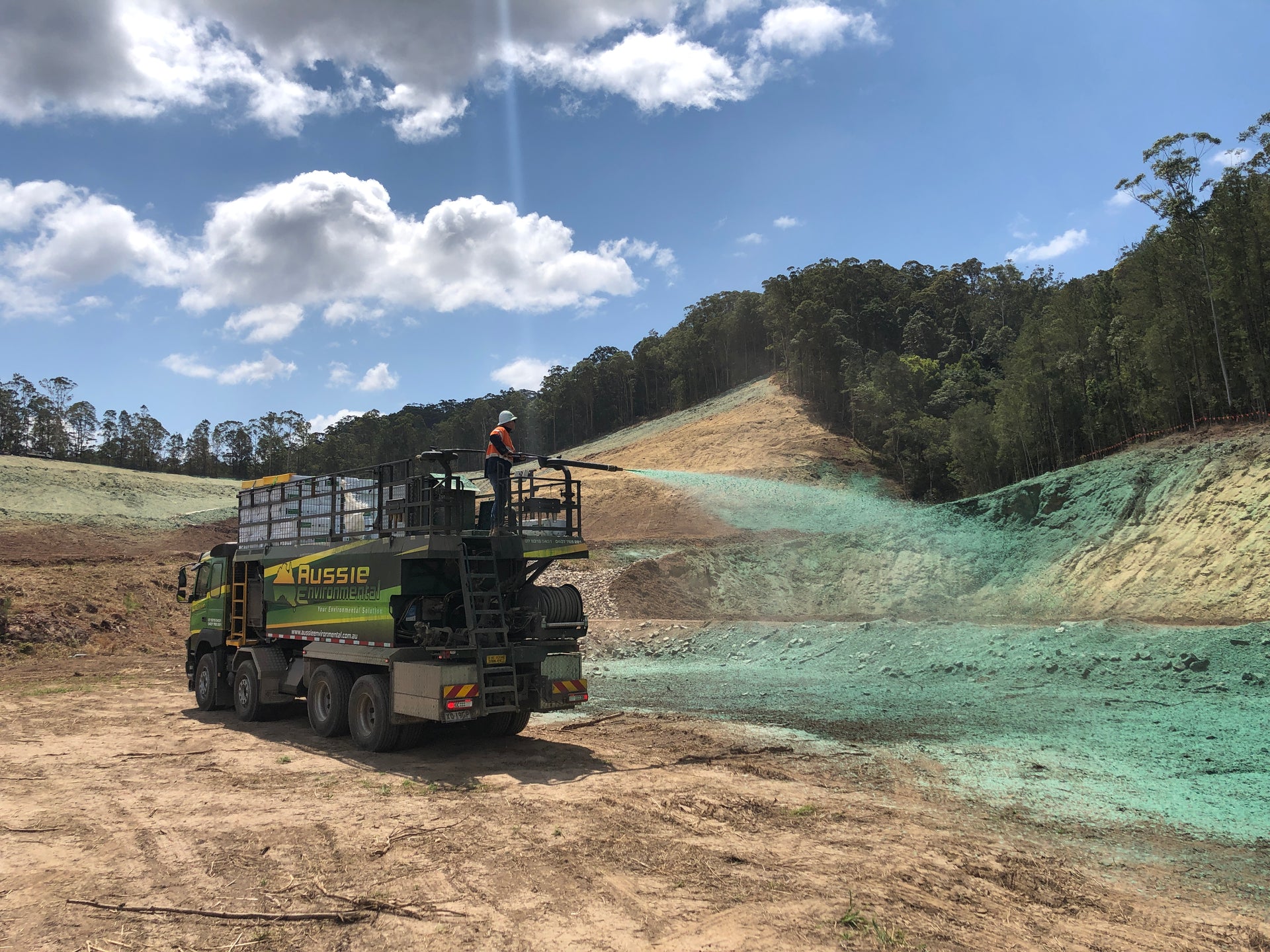
When water supply is low, environmentally responsible dust suppression products are a perfect alternative. Bio-degradable dust suppressants, organic soil binders, and polymer alternatives are designed for civil construction to stabilise soil surfaces and reduce the need for watering.
These products are particularly useful for haul roads, stockpiles, temporary access tracks, and high-traffic work zones.
If working near waterways, agricultural land, or environmentally sensitive habitats, it is especially important to select environmentally compatible products to comply with environmental regulations and help minimise ecological impacts.
Monitor Conditions Throughout the Project
Dust control isn’t a one-time activity. With weather conditions constantly changing on remote sites, ongoing monitoring and adjustment of suppression measures are a necessity. Dust levels, road conditions, equipment performance, and the effectiveness of control measures should all be routinely assessed.
Comply with environmental management plans and contractual obligations by monitoring wind speeds and documenting dust management activities. If dust levels increase unexpectedly, quickly respond by adjusting work practices or implementing additional suppression measures before conditions become worse.
Protecting Workers, Communities, and the Environment
Effective dust control is essential to maintain a safe, productive, and environmentally responsible workspace. With careful planning, efficient water use, alternative suppression products, and sound site management practices, airborne dust can be minimised and unique challenges overcome.
Proactive dust management doesn’t just protect workers and the nearby environment; it also helps to reduce equipment wear and tear, improve operational efficiency, and support compliance with environmental regulations.
As remote and civil infrastructure projects continue to expand across Australia, extensive dust control strategies will remain a key element of successful project delivery. To learn more, explore Aussie Environmental today.