





















A Contractor's Guide to Council Fines for Sediment Runoff in Queensland & NSW

One of the most common environmental issues construction sites across Australia must manage is sediment runoff. Heavy rain can cause exposed soil to wash into stormwater drains, creeks, rivers, and wetlands, creating environmental harm. This has led councils and environmental regulators in both Queensland and New South Wales to actively monitor construction sites and issue substantial fines for non-compliance.
Contractors should have an understanding of their legal responsibilities and put in place effective erosion and sediment control measures. Not only will this protect the environment, but it also avoids costly penalties, project delays, and reputational damage.
Why Sediment Runoff is Taken so Seriously
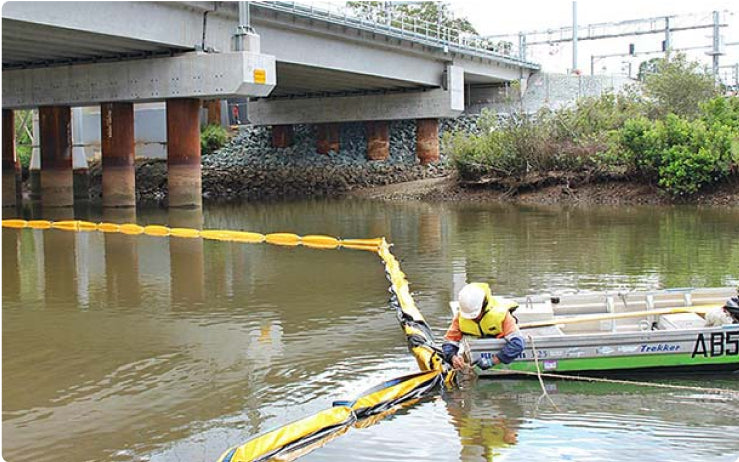
While sediment may appear harmless, it can have lasting environmental consequences if large amounts of soil enter waterways. It reduces water quality, blocks sunlight needed by aquatic plants, smothers fish habitats, and transports pollutants such as oils, heavy metals, and construction debris.
Even the smallest of building sites can release tonnes of sediment if exposed soil is left unprotected during heavy rainfall. As a result, councils and environmental authorities treat sediment control as a vital function of a responsible construction site.
Who is Responsible?
The principal contractor holds the most responsibility when it comes to keeping sediment within the site boundaries of a construction. However, subcontractors carrying out earthworks, excavation, landscaping, or drainage works must also follow approved environmental management practices.
Responsibility does not end once erosion controls are implemented. It is essential that sediment barriers are regularly inspected, maintained, and repaired particularly before and after rainfall events. Poorly maintained controls can be seen as non-compliant, even if they were correctly installed initially.
Common Causes of Council Fines
Many penalties are a result of preventable issues, more so than major environmental incidents. Common compliance failures include:
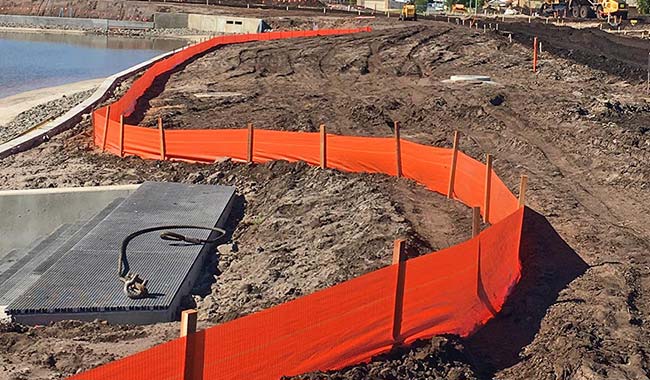
- Missing or damaged sediment fencing.
- Soil stockpiles left uncovered before rain.
- Unsettled construction site entrances tracking mud onto public roads.
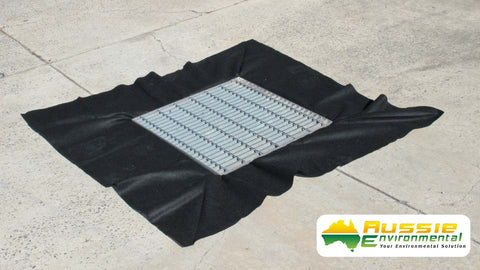
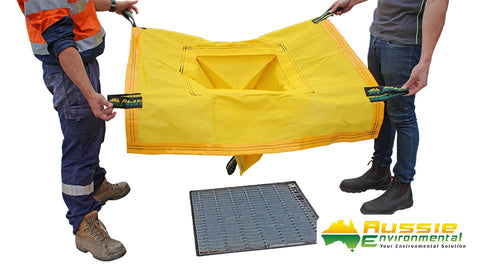
- Blocked or unprotected stormwater drains.
- Inadequate diversion drains or bunds.
- Failure to maintain erosion controls after storms.
- Allowing muddy water to leave the site without treatment.
- Poor housekeeping resulting in loose soil washing into gutters.
Council officers carry out routine inspections to avoid significant pollution occurring and allow enforcement action to be taken quickly, if necessary.
Queensland Requirements
As well as state environmental legislation, Queensland also requires contractors to comply with local council development conditions. These include:
- Submitting an approved Erosion and Sediment Control Plan (ESCP) before earthworks begin.
- Implementing controls that minimise soil disturbance, manage stormwater effectively, and prevent sediment from entering drainage systems.
If conditions aren’t met contractors may receive infringement notices, enforcement orders, stop-work directions, or penalties of tens of thousands of dollars for serious breaches.
NSW Compliance Expectations
The requirements for managing sediment runoff are just as strict under New South Wales laws.
Developments are regularly inspected, while complaints or major pollution events are investigated.
Contractors are expected to:
- Install appropriate sediment controls before excavation begins.
- Maintain controls throughout the project.
- Ensure stormwater leaving the property is free from excessive sediment.
If sediment pollution affects neighbouring properties or waterways, construction sites may receive clean-up notices, prevention notices, penalty infringement notices, or legal proceedings for serious offences.
Best Practices to Avoid Penalties
The best way to avoid council fines is to make erosion and sediment control an everyday task rather than a one-time installation.
Good practices include:
- Installing sediment controls before disturbing soil.
- Limiting exposed ground wherever practical.
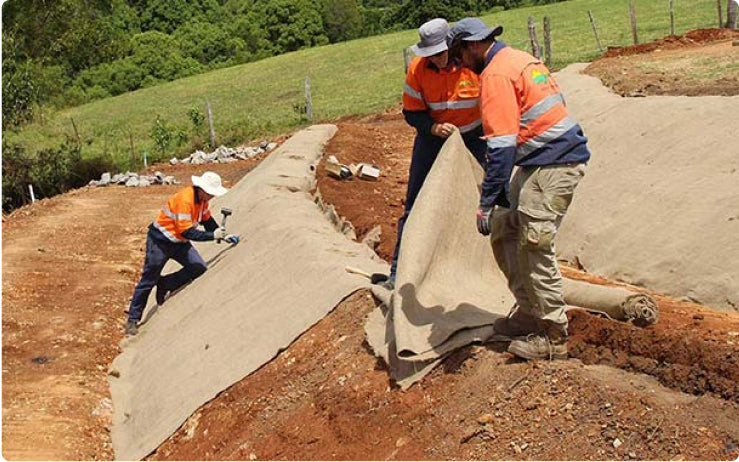
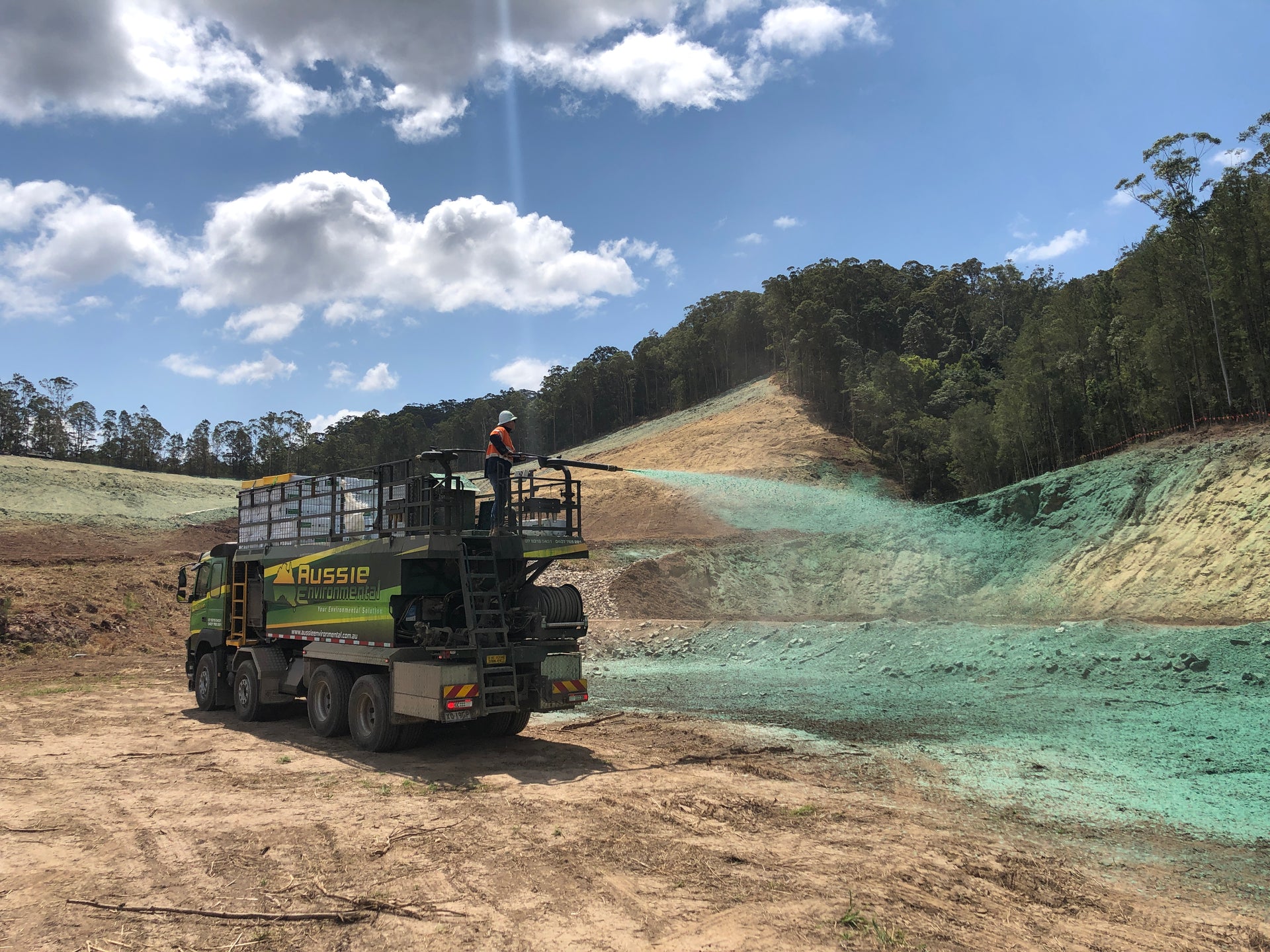
- Stabilising completed areas as soon as possible.
- Inspecting controls before and after rainfall.
- Repairing damaged sediment fencing immediately.
- Keeping stockpiles protected with covers or containment.
- Maintaining clean site access points to prevent mud tracking.
- Training workers to recognise environmental compliance requirements.
- Documenting inspections and maintenance activities.
These simple measures allow contractors operating across Queensland and New South Wales to meet their legal obligations while keeping projects running efficiently.
Environmental compliance is more than a requirement; it’s a hallmark of a well-managed construction site. To learn more, visit Aussie Environmental today.