






















Waterways Protection 101

Australia’s waterways are the lifeblood of our landscapes, bringing vitality to our farms, drinking water to our communities, and excitement to our beaches. From sparkling creeks to coastal estuaries, these ecosystems support our unique biodiversity, protecting countless native species and holding cultural significance for Indigenous Australians
However, with a rise in pollution, urban development, and invasive species, these fragile environments are coming under attack. Thankfully, protecting our waterways doesn’t have to be difficult. Simple, positive actions like planting along riverbanks, reducing chemical use in gardens, or preventing litter from entering drains can safeguard water quality and aquatic habitats
By working together and adopting sustainable land management practices, we can keep Australia’s waterways healthy, vibrant, and thriving for generations to come.
10 Easy Tips to Protect our Waterways
1. Reduce Chemical Use
Gardening is a wonderful pastime, but lack of knowledge can cause environmental issues. The chemicals we use to promote the growth of our native flora and fauna should be limited as pesticides, herbicides, and fertilisers can be washed into stormwater drains and streams when it rains
This can cause, harm to fish, plants, and the water quality, so opt for natural alternatives where possible.
2. Plant Native Vegetation
Your garden will thank you for adding native trees, grasses, and shrubs. These plants are excellent at holding soil together, preventing erosion, and filtering pollutants before they reach waterways, while providing a habitat for native birds and insects.
3. Dispose of Waste Responsibly
Stormwater drains flow straight to rivers and beaches, transporting litter that has been collected along the way. Paints, oils and plastics should be disposed of carefully to eliminate contamination
Be community minded and remove rubbish that you may come across along the sidewalks and beaches and make use of the recycling centres and waste collection services that are widely available.
4. Use Mulch and Ground Covers
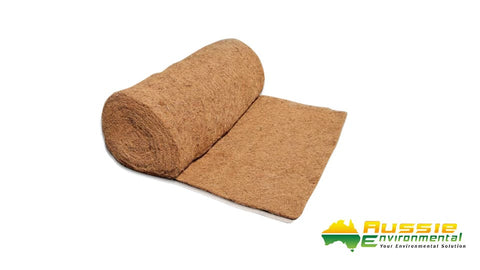
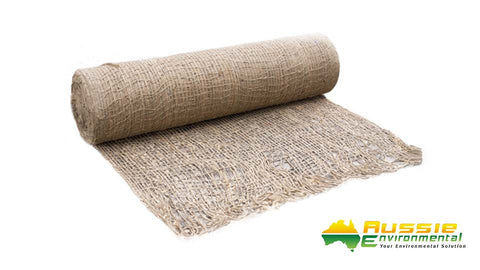
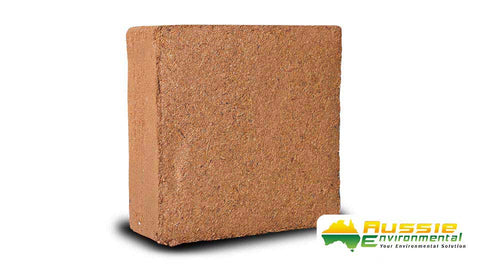
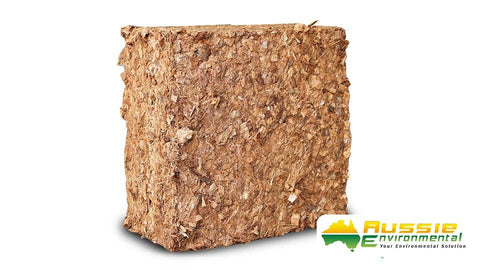
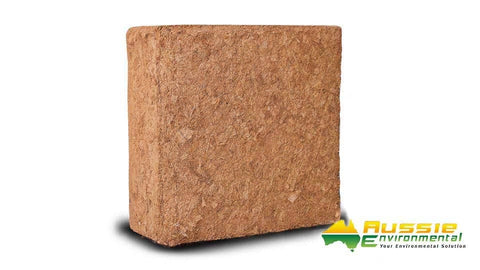
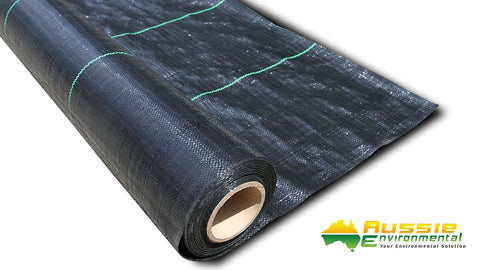
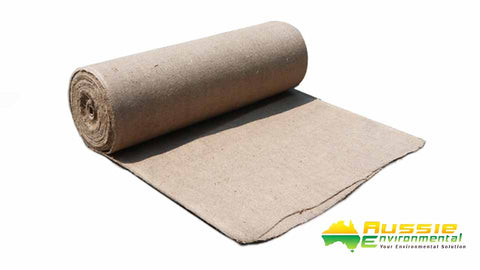
Covering bare soil with mulch, gravel, or ground covers reduces erosion during rain, helps soil absorb water, and prevents sediment from clouding waterways.
5. Compost and Reuse Organic Waste
Don’t leave your grass clippings and leaves to wash into drains; instead, turn them into compost. This keeps nutrients in your garden and avoids polluting our waterways.
6. Capture Rainwater
Not only will you have free water for your garden, but the volume of runoff entering storm drains will be reduced. Alternatively, you can direct the rainwater into garden beds to minimise flooding and pollution
7. Pick Up Pet Waste
Collect and dispose of your pet’s waste immediately. Not only is it an eyesore, but it contains bacteria and nutrients that can pollute waterways
8. Support Wetland and Riparian Restoration
Join community groups and get involved with the planting of trees, removal of weeds, and the restoration of wetlands. When wetlands are healthy, they act as natural filters, improving water quality and providing wildlife habitat.
9. Be Water-Wise
Conserve water when you can; fix leaks as soon as you notice them, use water-efficient appliances, and be mindful when watering your garden. By reducing the demand on rivers and reservoirs, we can keep the ecosystem in balance.
10. Choose Eco-Friendly Products
Choose cleaning products and detergents that are biodegradable and low in chemicals. While domestic sewerage is treated, it helps to use these products as they break down naturally and reduce the number of pollutants entering wastewater systems and waterways.
Where to Turn for Help With Waterways Management
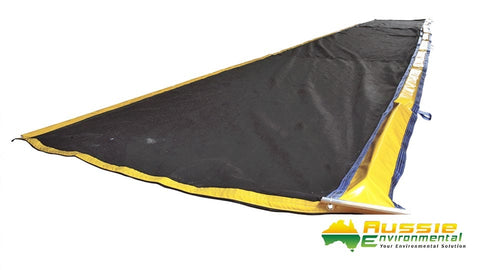
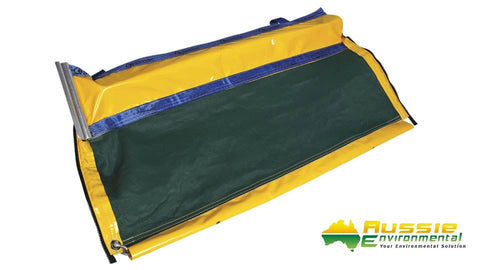
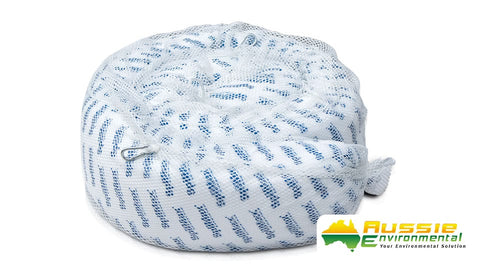
Here at Aussie Environmental, we can help with a range of waterways and marine protections to ensure your project works with our precious water. Find out more about our services here.