

















Microplastics in Construction: Moving Toward 100% Biodegradable Site Materials

For decades, construction activities have been a large contributor to microplastic pollution.
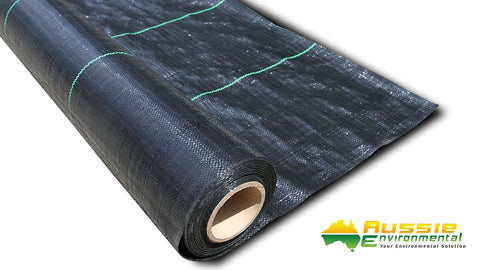
From plastic erosion control products to geotextiles, these widely used materials gradually break down into tiny plastic particles and remain in the environment for years.
But as environmental regulations tighten and sustainability expectations grow, the construction industry is embracing sustainable practices, paying great attention to the environmental impact of the materials used on-site. Contractors are exploring biodegradable alternatives that deliver the same performance while reducing long-term environmental harm.
As we move toward 100% biodegradable site materials, we recognise this as an important step in protecting waterways, wildlife, and surrounding ecosystems.
Table of Contents
Understanding Microplastics on Construction Sites
Microplastics are plastic particles that measure at less than five millimetres in size. They are the result of the breakdown of larger plastic products or are manufactured at a microscopic size. Unlike organic materials, they do not decompose easily and can linger in soils, rivers, lakes, and oceans for decades.
Construction sites can generate microplastics through weathering, UV exposure, abrasion from machinery, and general wear and tear. Tools and materials may all fragment over time if left exposed to the elements. These tiny particles can be carried away during heavy rainfall, reaching stormwater systems and eventually ending up in natural waterways, where they contribute to long-term pollution.
Environmental Impacts of Plastic Pollution
Construction plastics are often viewed as temporary materials; however, if not properly removed, their environmental footprint can be permanent. Microplastics build up in soil, reducing its natural health and potentially affect the microorganisms that support a healthy ecosystem. Once they enter waterways, they can be ingested by fish, birds, and other wildlife, causing physical harm and accumulating plastics throughout the food chain.
Plastic particles can also absorb pollutants such as oils, pesticides, and heavy metals, spreading these contaminants through sensitive environments. This puts pressure on construction companies to somehow minimise their plastic waste and reduce the risk of contamination.
Common Construction Materials Being Replaced
Many construction sites are swapping traditionally used site products with biodegradable alternatives. They provide effective performance without leaving long-lasting plastic residues. Examples include:
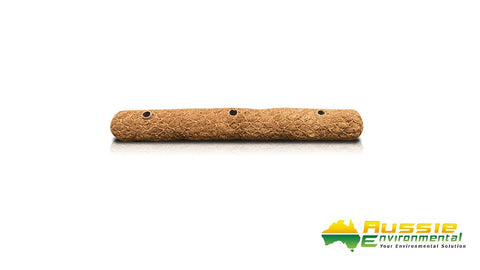
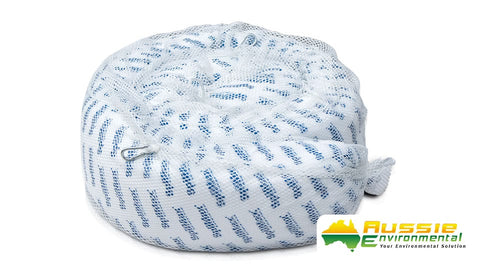
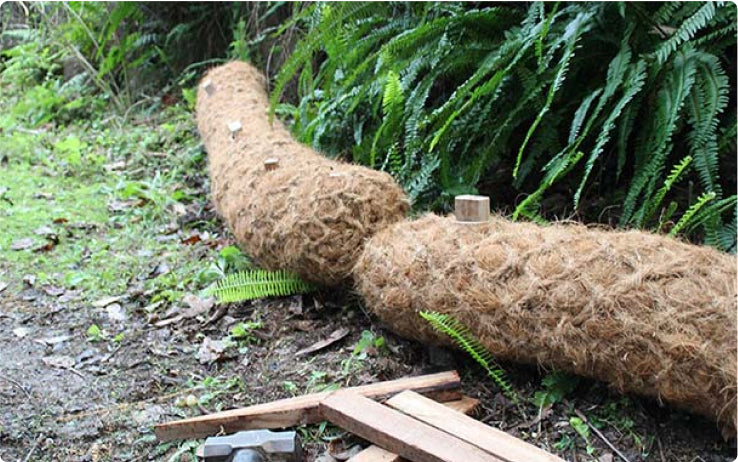
- Biodegradable sediment control logs.
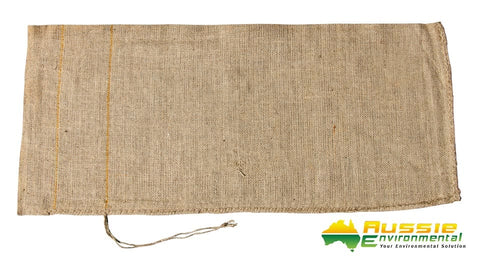
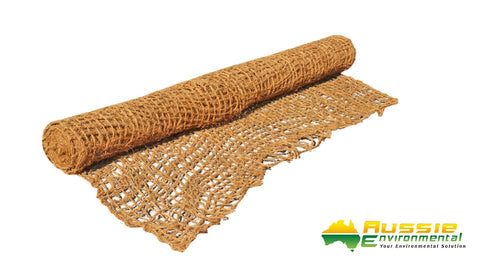
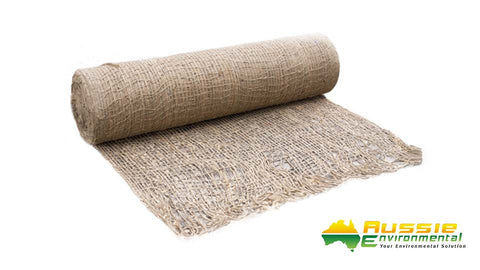
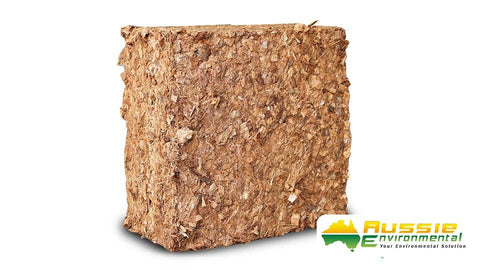
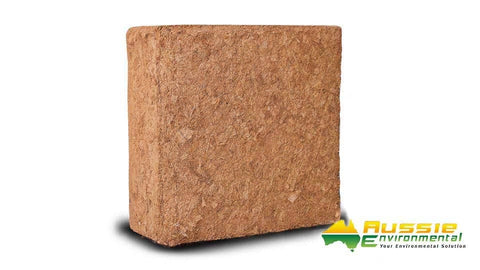
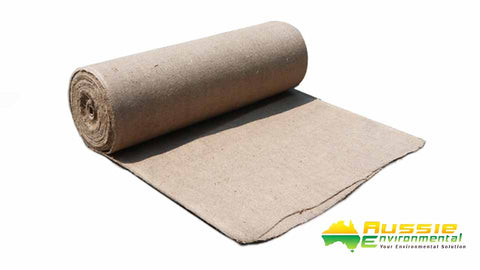
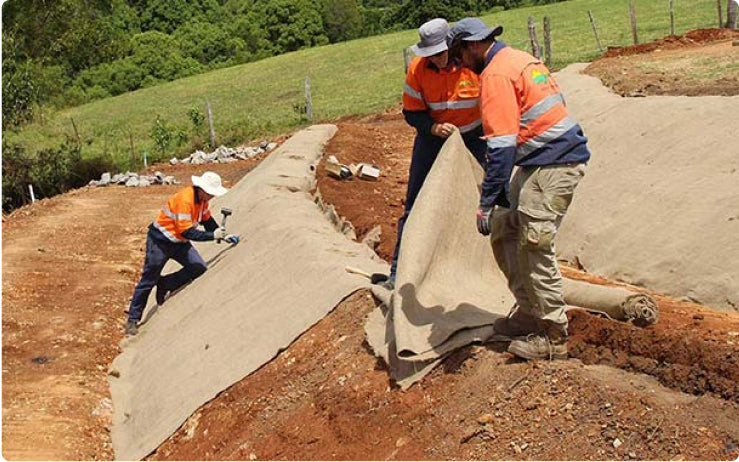
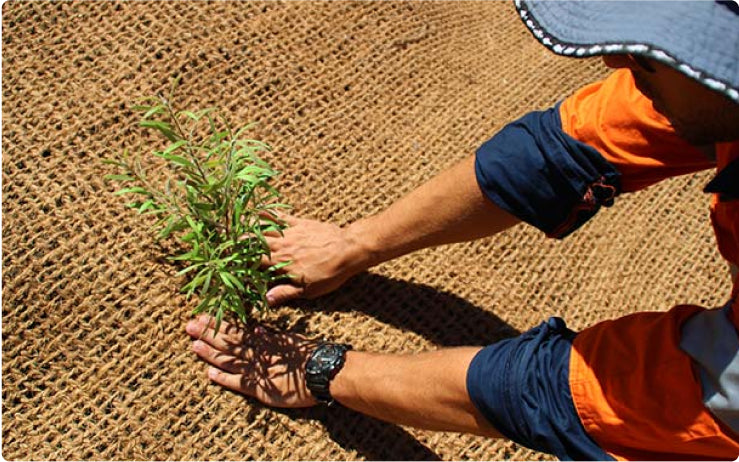
- Jute or coir erosion control blankets.
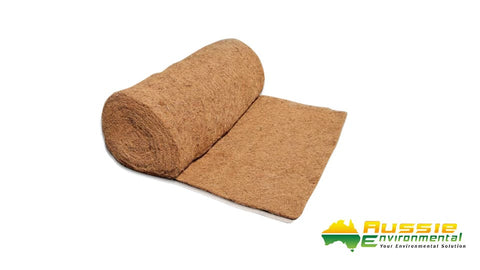
- Natural fibre mulch mats.
- Compostable tree guards.
- Biodegradable weed suppression mats.
- Natural twines.
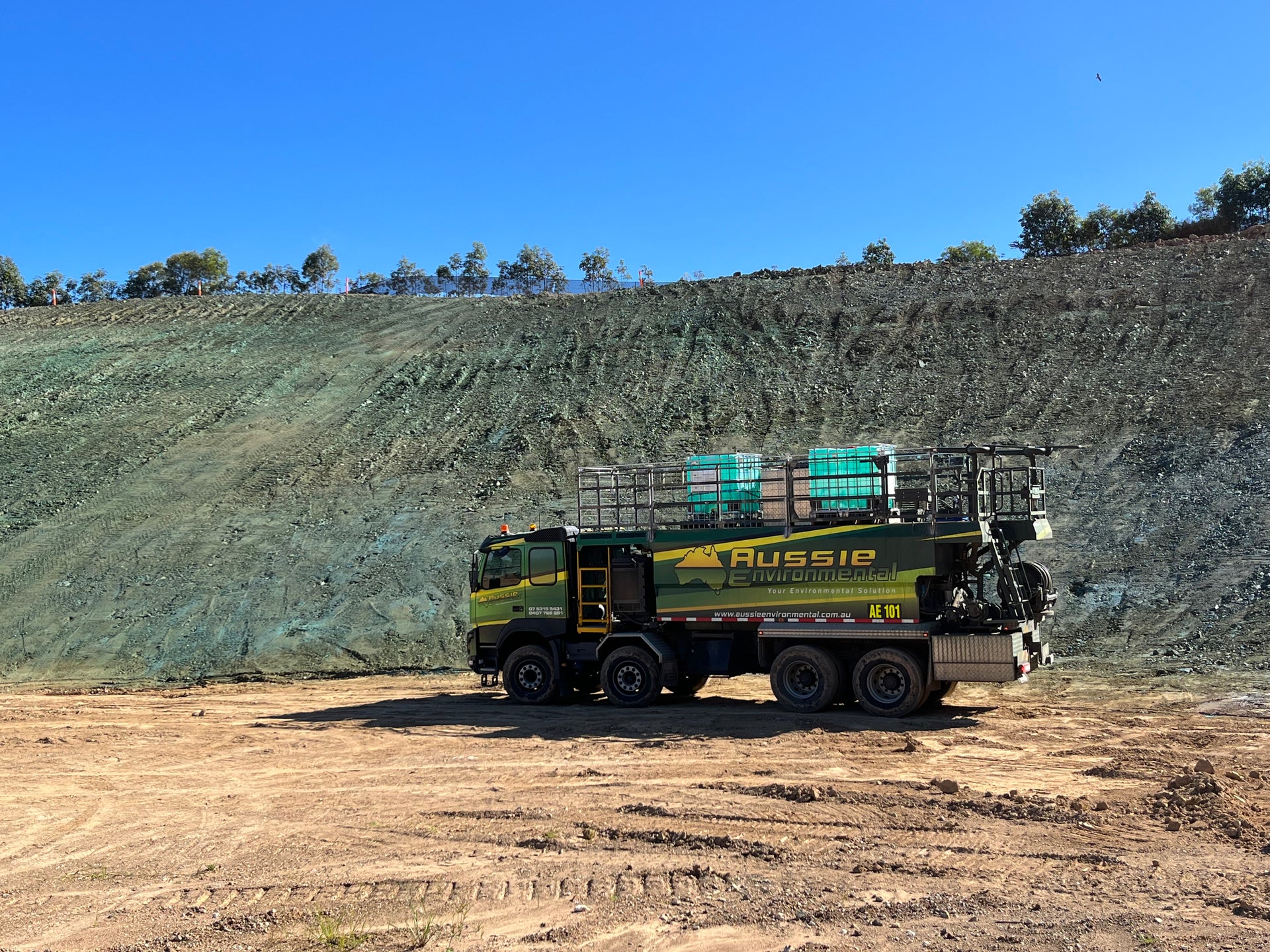
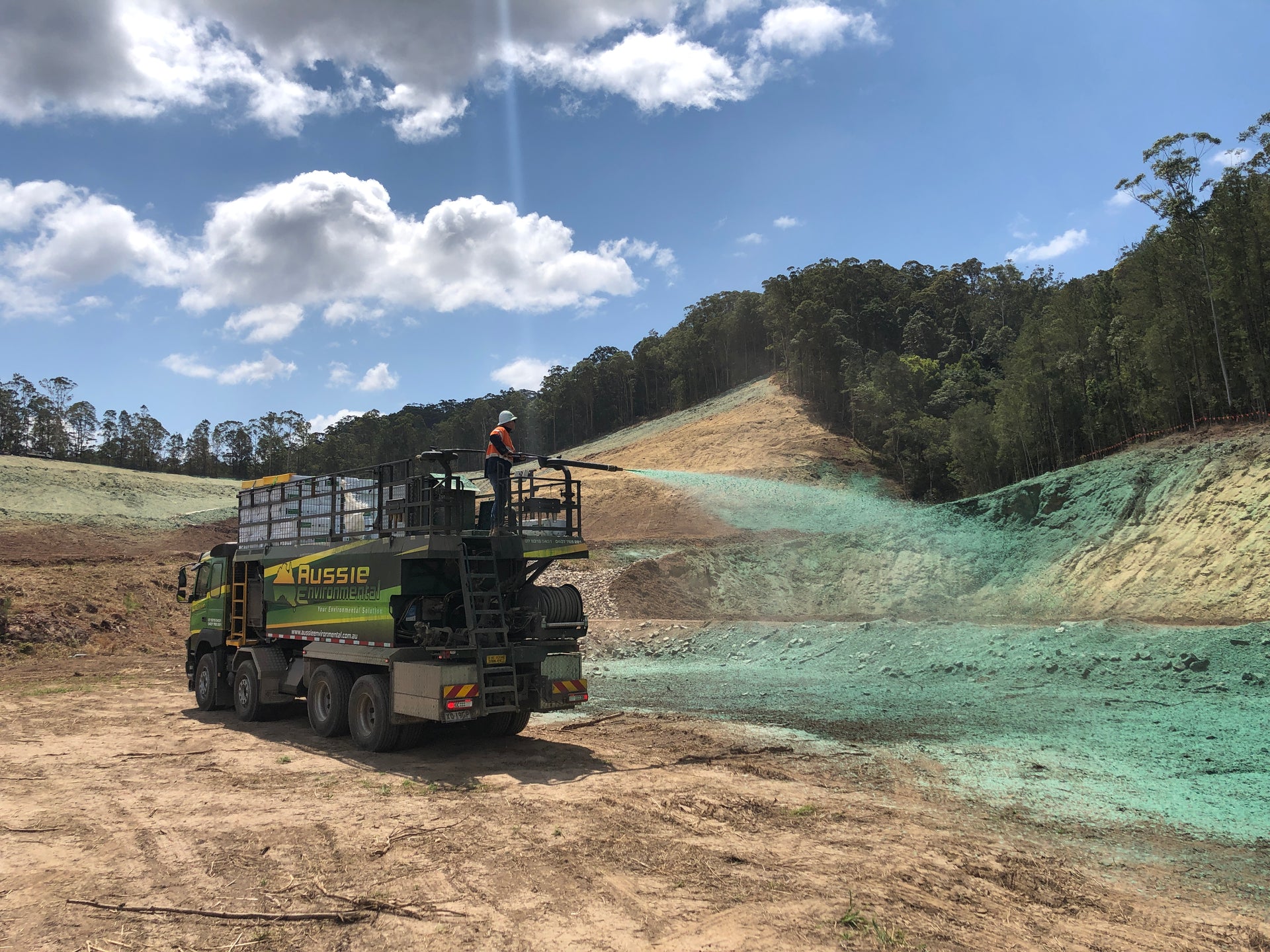
- Hydromulch products made from wood fibre or recycled paper.
These materials offer environmentally responsible solutions that naturally decompose and return organic matter to the soil rather than contributing to plastic pollution.
Benefits of Biodegradable Site Materials
Beyond reducing microplastic pollution, biodegradable materials bring several advantages. These natural fibre products:
- Integrate more effectively with revegetation programs.
- Retain moisture.
- Support seed germination.
- Gradually break down as vegetation becomes established.
- Simplify site rehabilitation.
- Lower waste management cost.
- Demonstrate a contractor's commitment to environmental stewardship.
As sustainability continues to influence projects and client expectations, environmentally friendly materials provide a competitive advantage.
Supporting Regulatory Compliance and Sustainability Goals
As environmental regulations across Australia continue to place greater emphasis on protecting the environment, many government infrastructure projects and environmentally sensitive developments are encouraging the use of biodegradable erosion and sediment control products wherever practical.
Contractors utilising these practices find meeting environmental management plans, planning permit conditions, and sustainability targets a lot simpler. Biodegradable products align with broader corporate environmental, social, and governance (ESG) objectives, demonstrating responsible environmental management to clients, regulators, and the community.
The Future of Sustainable Construction
While plastics will continue to play a role in construction applications, implementing natural fibre erosion controls, biodegradable stabilisation products, and environmentally responsible materials can reduce microplastic pollution without compromising safety or project outcomes.
As sustainability becomes an essential part of modern construction, moving toward 100% biodegradable site materials is an investment in cleaner waterways, healthier ecosystems, and more responsible building practices for future generations. To learn more, explore Aussie Environmental today.