



























Managing Creek Bank Erosion on Rural Properties: A Step-by-Step Recovery Guide

TL;DR: Creek bank erosion threatens valuable rural land, water quality, and fencing through livestock access, vegetation loss, and fast-flowing water. This guide outlines a 6-step recovery process—from identifying causes and installing temporary protections like coir logs to stabilising slopes, replanting native vegetation, improving catchment water management, and monitoring long-term site health.
Table of Contents
Many rural property owners across Australia face the common challenge of creek bank erosion. Heavy rainfall, flooding, livestock access, and vegetation loss, all contribute to creating unstable creek banks that gradually collapse into waterways. If left untreated, these eroding banks can cause a loss in valuable farmland, reduced water quality, damaged fencing, and an increase in sediment entering local streams and rivers.
But there’s good news. Early intervention can prevent further deterioration and restore the health of your waterway. By following this simple, yet structured guide—drawing on established erosion and sediment control (ESC) measures—you can stabilise creek banks, protect the surrounding land, and encourage long-term ecological recovery.
Step 1: Identify the Cause of the Erosion
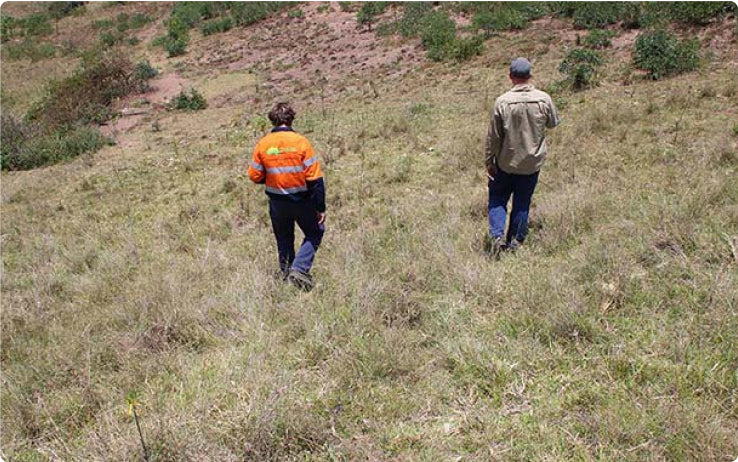
Before beginning repair work, discover what is causing the creek bank to erode. If you don’t address the underlying issue, simply filling in collapsed areas will cause the problem to occur again. Causes may include:
- Fast-flowing water during storms.
- Unrestricted livestock access.
- Removal of native vegetation.
- Poor drainage from nearby paddocks.
- Runoff from roads or construction works.
- Increased pressure from altered water flow.
Thoroughly assess the site to determine the most appropriate stabilisation methods for the specific conditions, keeping in mind broader principles for preventing soil loss on site.
Step 2: Protect the Area From Further Damage
The moment you notice erosion happening, preventing additional disturbance should be your immediate priority. Add temporary fencing to keep livestock away from fragile banks and redirect vehicle access away from the creek to minimise soil disturbance.
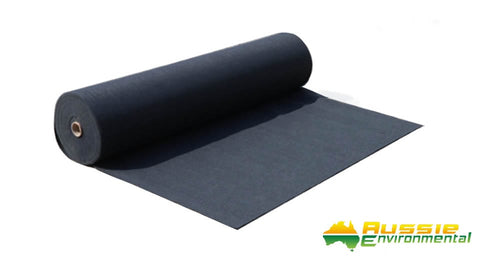
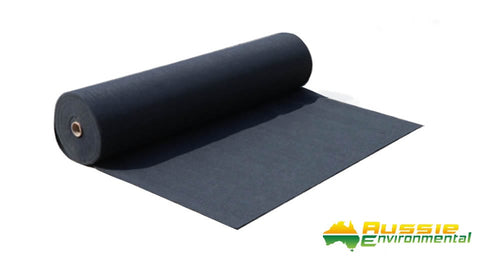
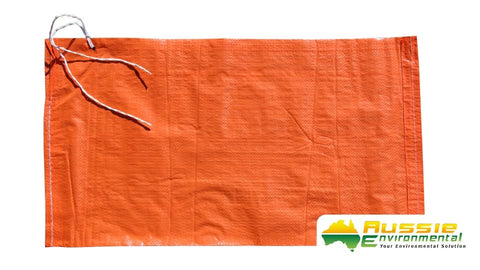
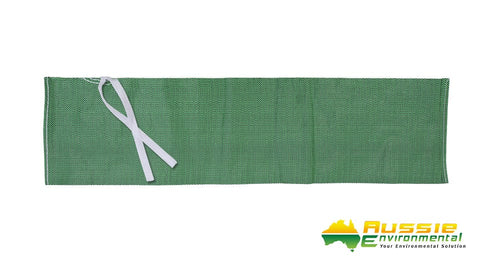
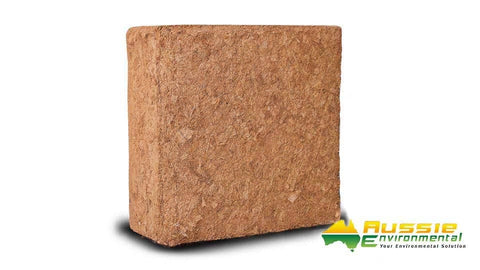
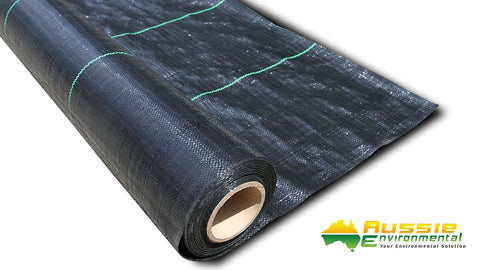
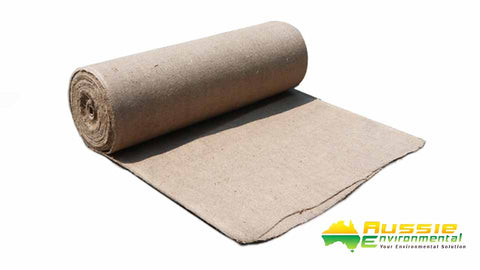
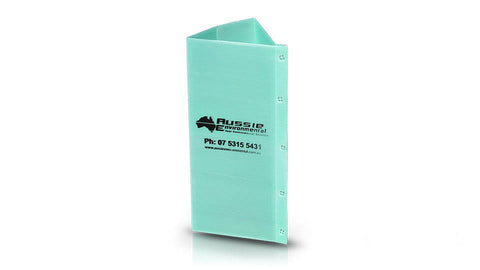
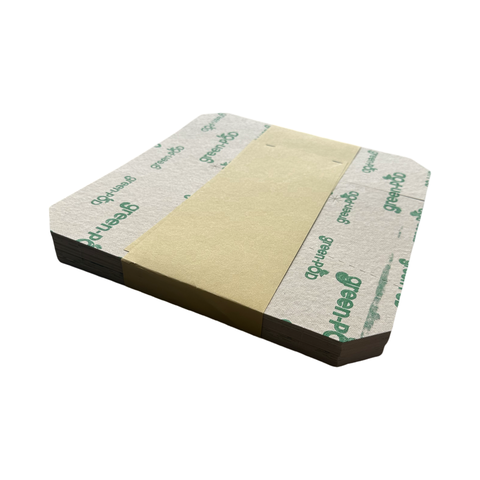
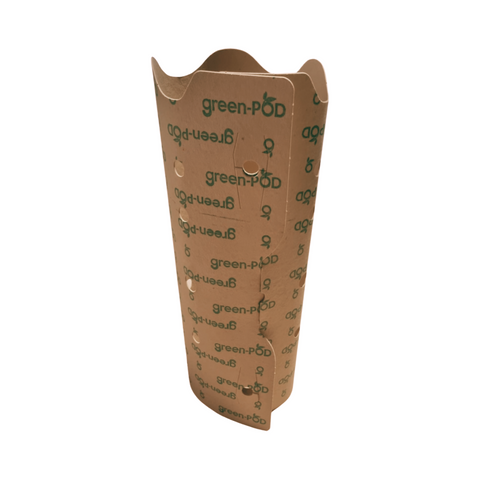
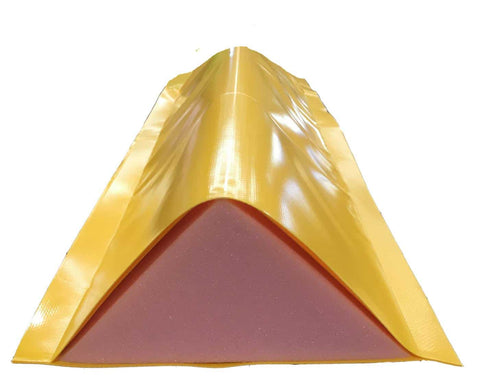
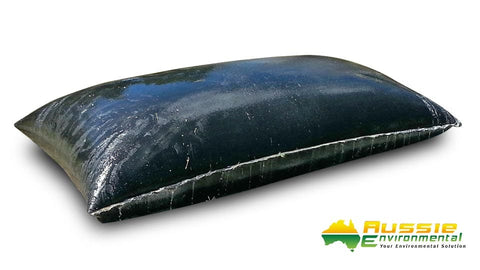
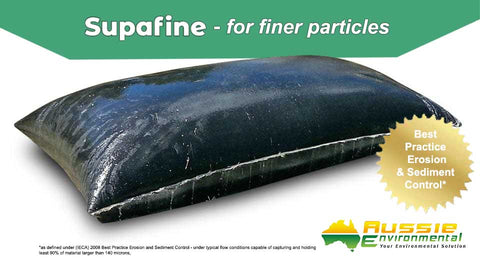
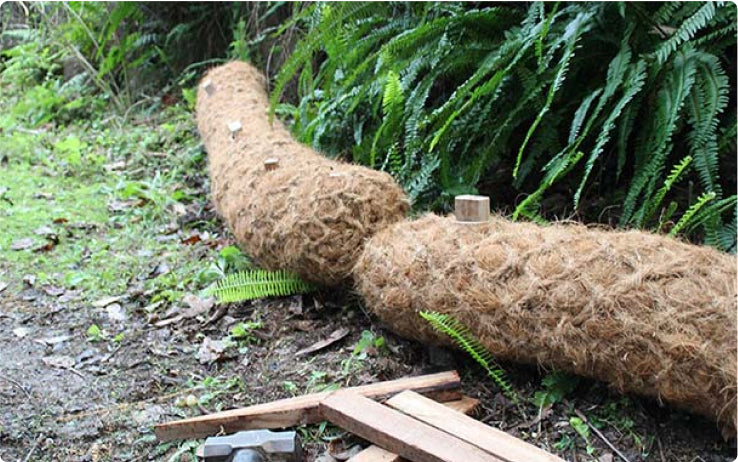
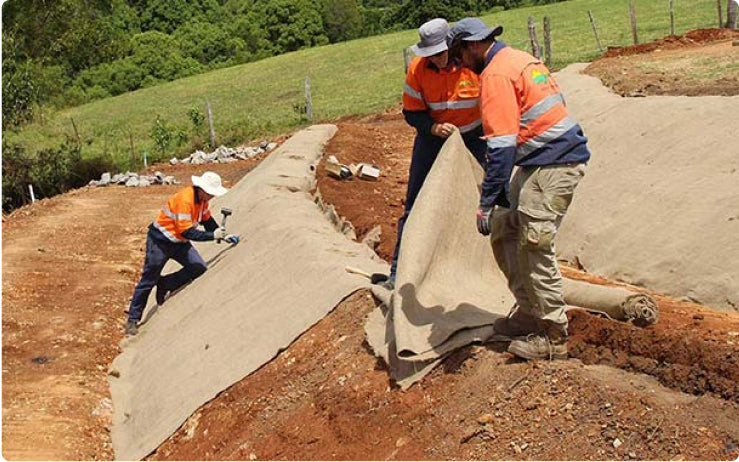
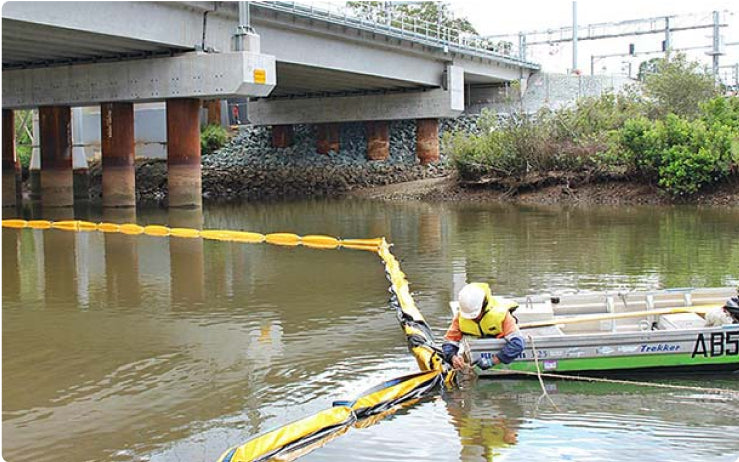
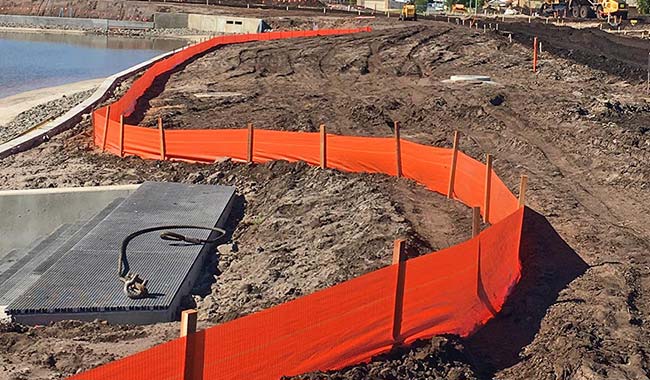
If heavy rainfall is expected, use temporary erosion control measures such as coir logs, sediment barriers, or biodegradable erosion control blankets. These will help to reduce soil loss while you establish a permanent solution. For broader tips, see how to protect your landscape from erosion during the harsh Australian summer or manage risks during the Australian winter.
Step 3: Stabilise the Creek Bank
The stabilisation method you use will depend on the severity of the erosion and the characteristics of the site.
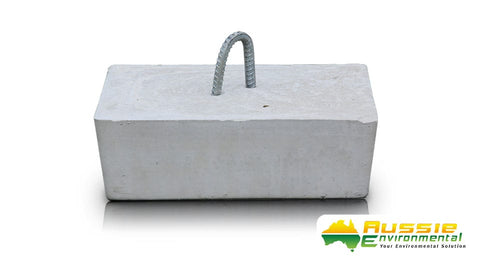
If the erosion is minor, you may opt for reshaping overly steep banks into gentler slopes to improve the stability and reduce the risk of further collapse. If the erosion is more severe, you may want to invest in rock armouring, strategically placed coir logs, or engineered stabilisation structures to protect the bank from flowing water.
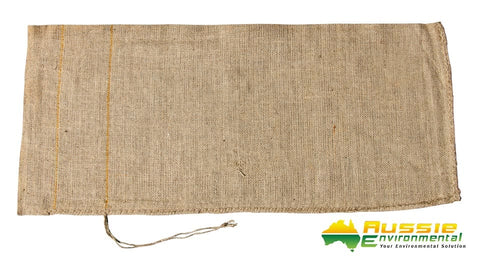
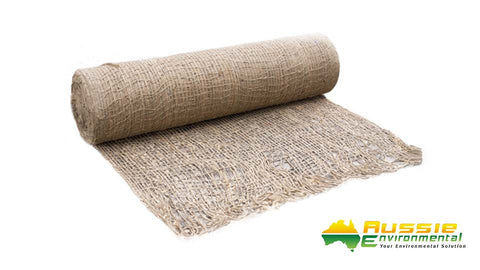
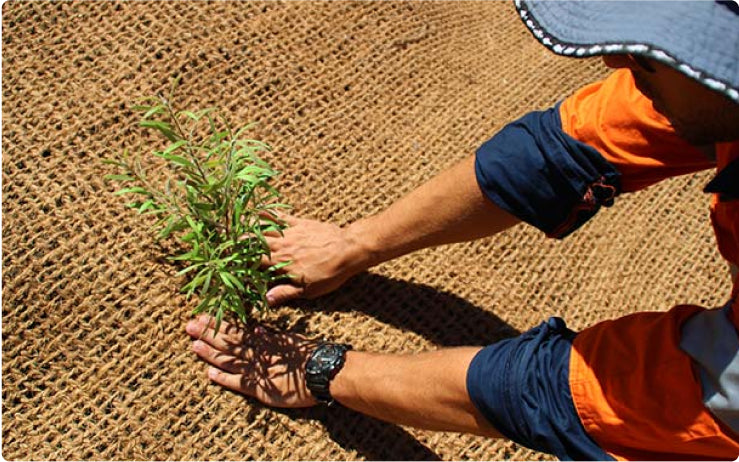
Using biodegradable erosion control mats made from jute or coir give an added protection by holding soil in place while vegetation becomes established. Eventually they’ll decompose and leave behind a healthy, stabilised ground. For steep profiles, you can also explore DIY erosion control strategies for steep slopes.
Step 4: Replant Native Vegetation
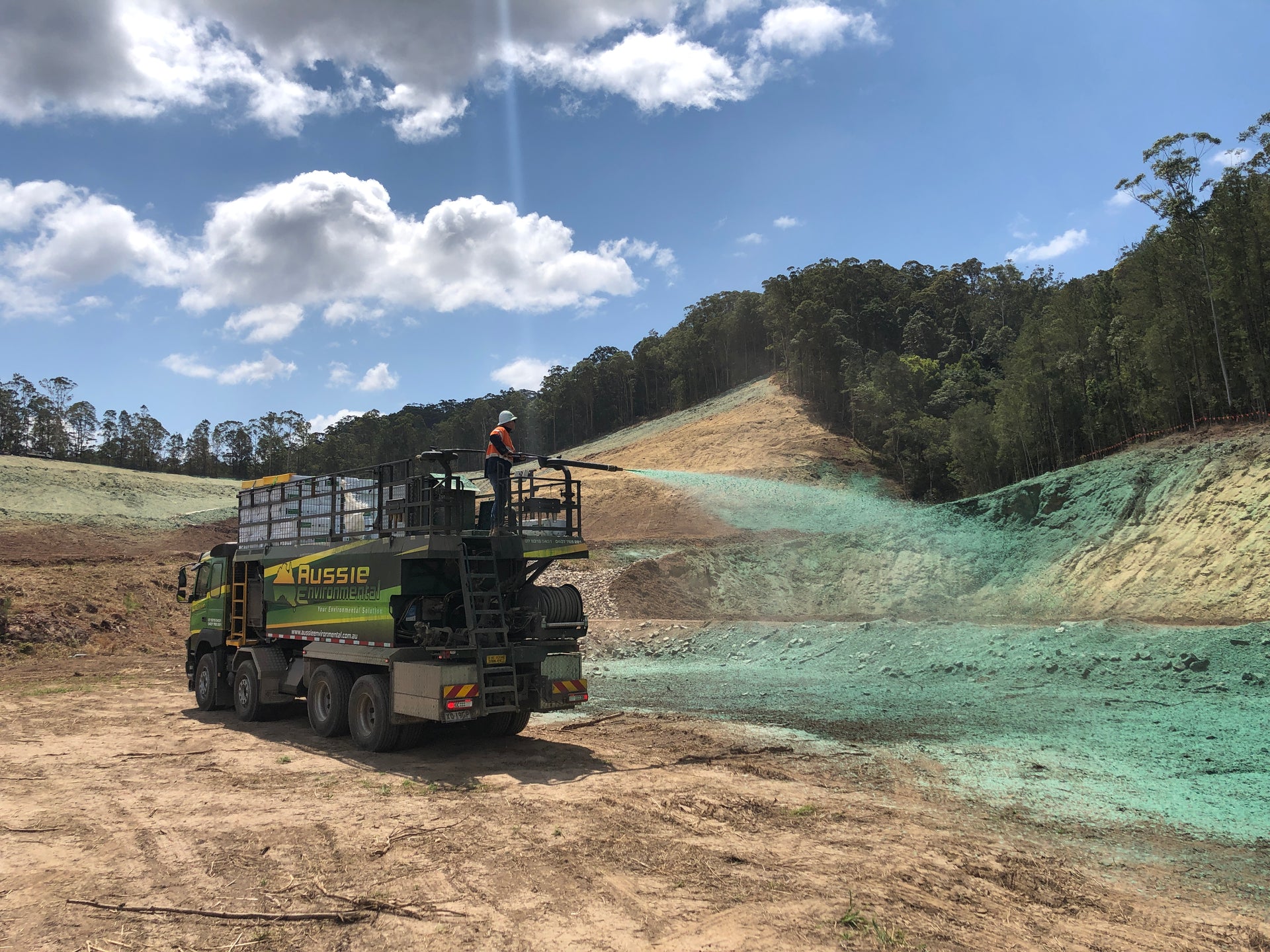
One of the most effective long-term defences against creek bank erosion is healthy vegetation. Native grasses, shrubs, reeds, and trees develop extensive root systems that bind soil together while slowing surface runoff.
Select plant species native to your region to increase the likelihood of successful establishment, and consider incorporating suggestions from the best plants for erosion control in Australian gardens. Planting a mixture of groundcovers, shrubs, and trees creates multiple layers of protection against future erosion while creating a native habitat with coir logs and jute matting.
Step 5: Improve Water Management Across the Property
Keeping water away from the creek is just as important as stabilising the bank itself. Install diversion drains, contour banks, or grassed waterways to reduce the volume and speed of runoff flowing into the creek during heavy rain.
Where possible, limit bare soil and improve soil health to reduce water runoff across the entire property, mitigating risks rather than only treating the creek edge. You can also look into designing structural features like a rain garden or bioretention basin to manage stormwater.
Step 6: Monitor and Maintain the Site
Creek restoration isn’t a one-time project - it’s an ongoing process. After a major rainfall, inspections should be carried out so small problems can be identified before they turn into significant issues.
Check for signs of undercutting, sediment build-up, damaged erosion control products, or areas where vegetation has failed to establish; while you simultaneously replace damaged materials, control invasive weeds, and maintain protective fencing. Consistent maintenance is far more cost-effective than taking on major repairs, perfectly aligning with best practices for reusing and recycling erosion control materials where appropriate.
Building Resilient Waterways for the Future
Managing creek bank erosion requires:
- Careful planning.
- Practical stabilisation techniques.
- Long-term environmental stewardship.
- Protecting vulnerable areas.
- Restoring native vegetation.
- Improving water management.
Healthy creek banks protect valuable farmland, support biodiversity, improve water quality, and strengthen the resilience of rural landscapes.
So, invest in ensuring these important natural assets continue to benefit both your property and the wider environment for generations to come.