
















What are Tilting Flood Barriers and When Should you use Them?

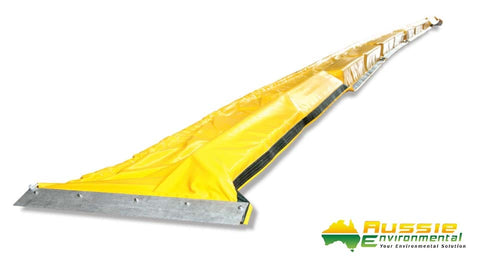
Tilting, or passive flood barriers as they are sometimes known, are permanently installed, automatic barriers that use the basic principles of buoyancy to ensure they raise ahead of flood waters. They are designed to be out of sight when not in use but will automatically or manually rise when floodwater arrives.
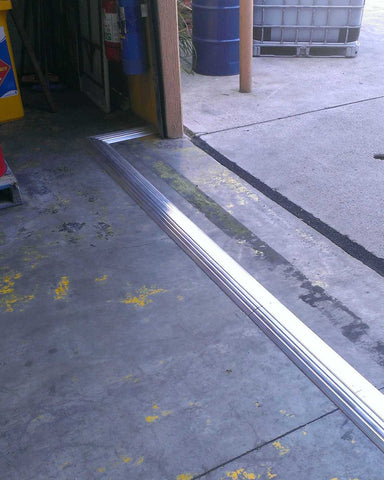
The barrier is usually installed so that it lies flat in a recess in the ground, then when water levels rise (from heavy rains or overflows) the system will become activated.
Passive systems use the force of the water to fill a chamber or push against the barrier and cause it to rotate upwards, whereas active systems use mechanical or hydraulic techniques to lift the barrier. These systems can be activated manually, or by using a sensor that detects rising water levels.
Once the barrier is raised, the pressure of the water behind it helps to seal it and prevent leaks. Once the water level drops the barrier will lower back down into its recess.
Advantages of Tilting Flood Barriers
Obviously time is of the essence when you are faced with rising flood water, and one of the main advantages of tilting flood barriers is that they can be deployed extremely quickly and easily providing immediate protection. With an automatic system, even if you are away the flood barriers will rise and safeguard your property and belongings, giving you peace of mind when leaving your home unattended.
Tilting flood barriers are a versatile option and very useful in dense, urban areas where a permanent wall may be intrusive. When they are inactive, they don't obstruct any views, as most of the time they are hidden infrastructure. They are a cost-effective solution for flood protection, as they have long lifespans and are generally low maintenance.
Things to Think About When Deciding if Tilting Barriers are Right for you
Tilting barriers must not just be installed into the ground and forgotten about. Most of the time they will remain unseen and inactive, but when they are needed you will want them to work properly. Hinges, seals and sensors are the parts you will rely upon to protect your property when the time comes, so regular maintenance is highly recommended to ensure they function optimally.
These systems are more complex than simple fixed barriers or portable barriers, and that will be reflected in their price. However, if you are in a high-risk area they may prove to be a very cost-effective solution, saving you from expensive and disruptive repairs.
When to use Tilting Barriers
Due to the cost and complexity of these barriers, they may not be suitable for all situations. In built-up zones and areas where space is tight, they make a very sensible choice, especially if the options are to build permanent levees or flood fences that will further restrict space, disrupt life and block views. They are the obvious choice for areas that need to stay accessible most of the time, as they will only deploy during a flood.
If you live in an area that has occasional flooding, these barriers work well as they will appear quickly when needed, and then disappear. In areas with constant high-water levels, permanent walls or fences may work better.
They are ideal for short duration flooding, and use in areas where expected flood levels are within manageable ranges, rather than extreme events or where flooding is constant or very frequent.
Tilting barriers are a great solution for temporary and unobtrusive protection from predictable or occasional floods, and can offer homeowners peace of mind for the safety of their property and belongings. To learn more, visit Aussie Environmental today.