













The Role of Sediment Control in Commercial Development

Sediment control is essential within commercial development, for projects need to be carried out in an environmentally responsible way. Construction sites have a profound effect on the environment, affecting both air and water, with soil disturbance leading to erosion, and loose sediment washing into nearby waterways.
This can cause harm to aquatic ecosystems, resulting in regulatory fines and costly project delays. With effective sediment control measures in place, you can keep soil on-site and protect the environment while maintaining site safety and compliance.
Your plans for execution should always include a sediment control plan that supports long-term land stability and demonstrates your commitment to responsible construction practices.
Why Sediment Control is Essential
Sediment control not only protects the environment but also sustains commercial development projects. During construction, a vast amount of soil is disturbed, which, if not managed can be washed away by rainfall or runoff into stormwater drains, rivers, and wetlands.
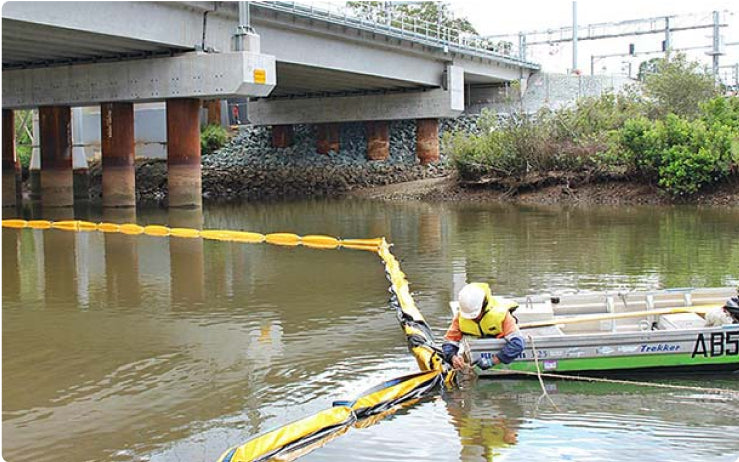
This loose sediment can pollute waterways, smother aquatic habitats, and reduce water quality. As well as the environmental impacts, a poorly managed site can lead to blocked drainage systems, infrastructure damage and increase the risk of flooding.
From a compliance perspective, failing to control sediment can result in fines, legal issues, and costly project delays. In short, effective sediment control reduces erosion and the impact of the community, while supporting the long-term success of development projects.
Top 10 Tips for Protecting Waterways During Construction
With careful planning and best-practice management strategies, sediment control can be integrated into project plans. Here are the top 10 ways to protect waterways from sediment in commercial development:
1. Prevent Erosion First
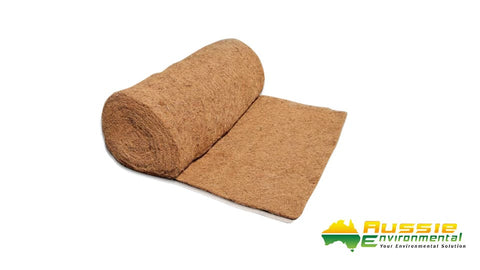
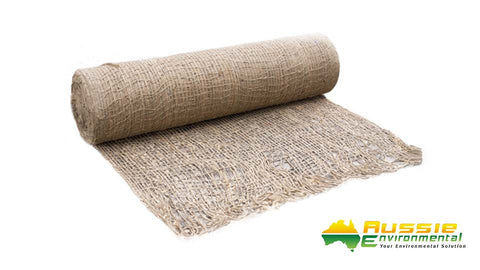
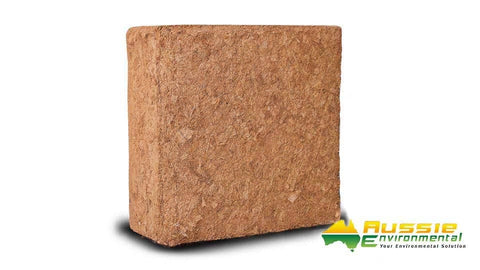
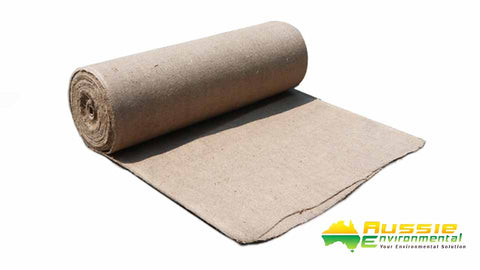
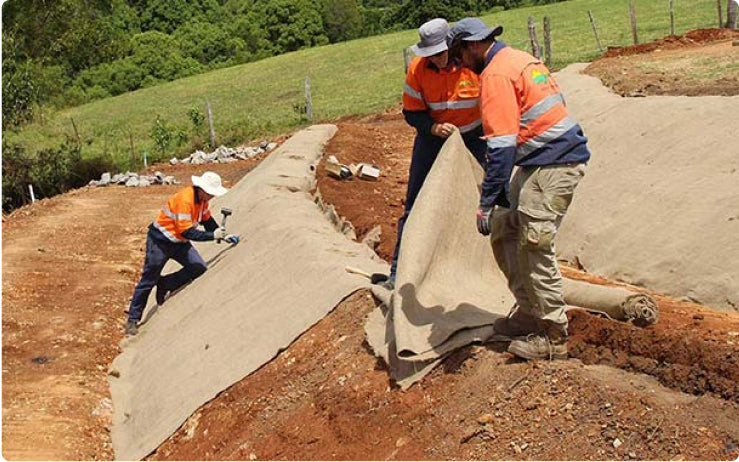
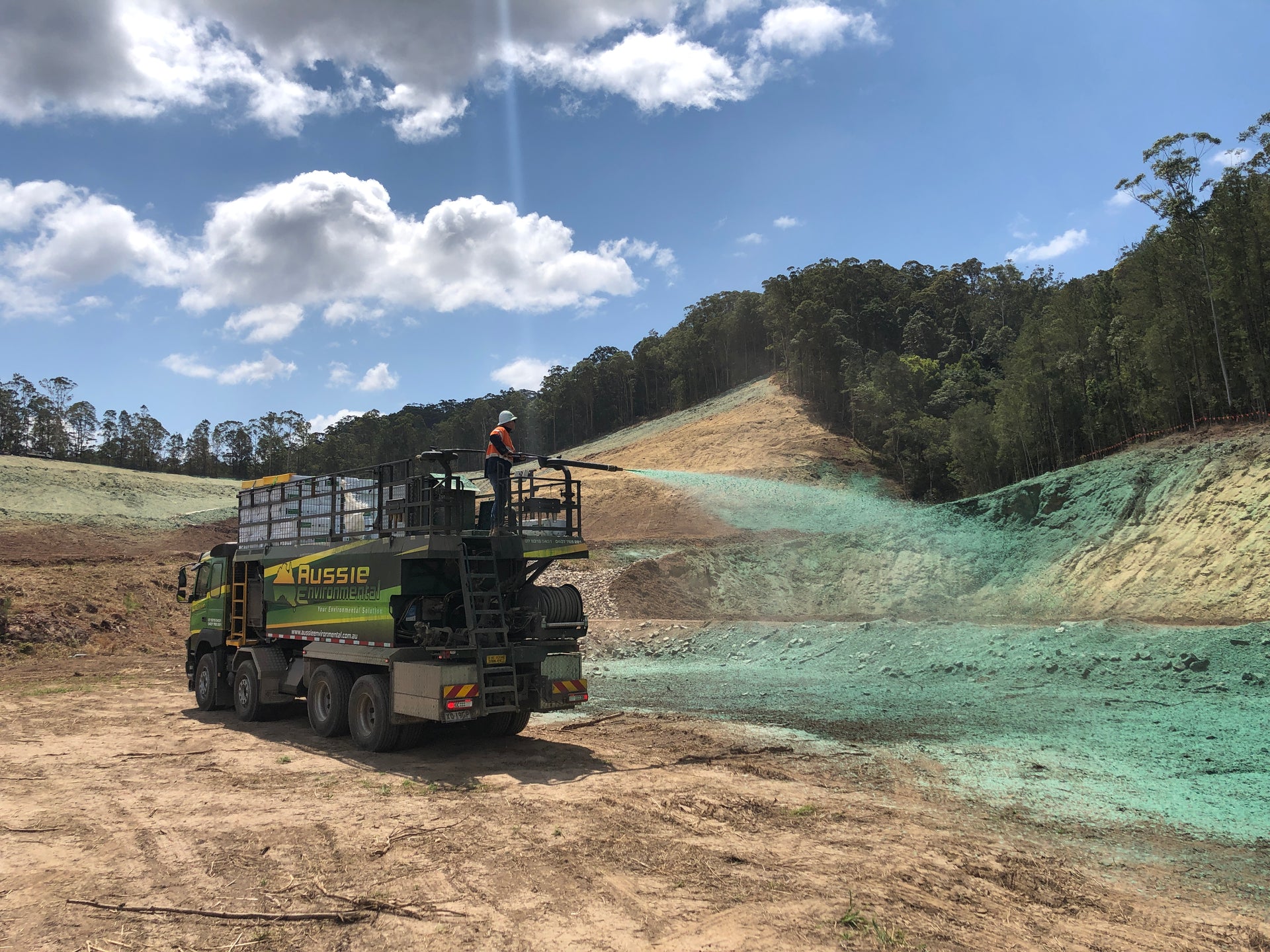
The best way to control sediment is to stop soil from becoming loose in the first place. Stabilise exposed soil quickly with mulch, vegetation, or ground covers.
2. Use Silt Fences and Barriers
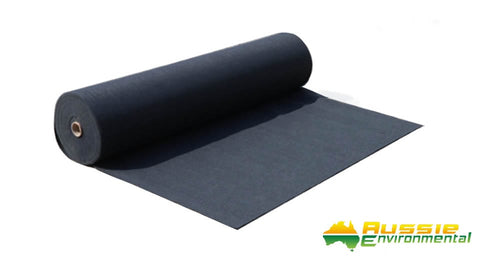
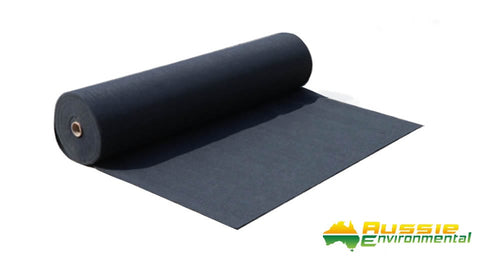
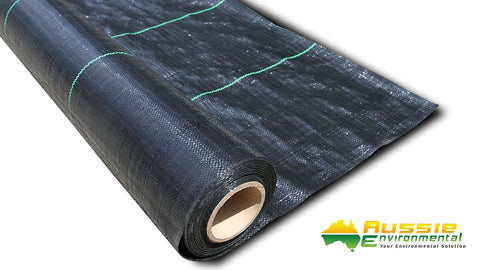
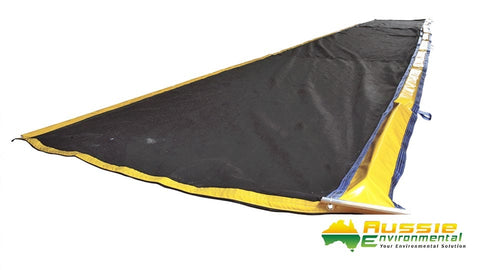
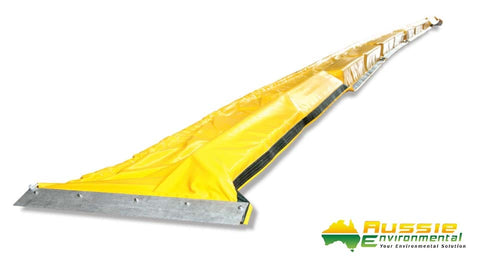
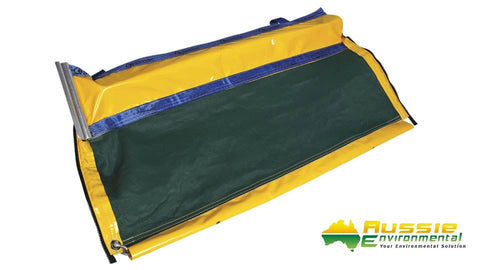
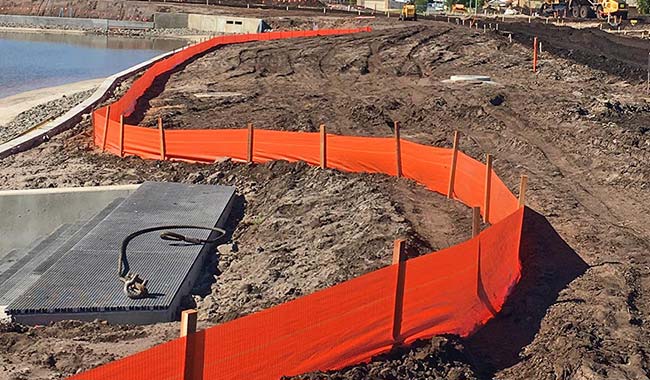
With geotextile fabrics acting as barriers, sediment is captured before it reaches drains or waterways while allowing water to filter through.
3. Install Sediment Basins and Traps
These structures collect runoff and allow soil particles to settle before the water is discharged, reducing the sediment that leaves the site.
4. Divert Clean Water Away
Channel clean water away from disturbed areas to reduce erosion pressure and prevent clean water from mixing with sediment-laden runoff.
5. Stabilise Site Access Points
Make use of gravel pads, shaker grids, and rumble strips at entry/exit points as they prevent construction vehicles carrying soil off-site.
6. Stage Construction Activities
Limit soil disturbances by working in smaller, manageable sections rather than the entire site at once. This minimises the amount of soil exposed, leading to less sediment.
7. Maintain Drainage Systems
Keep soil and debris away from stormwater drains, gutters, and swales to avoid blockages and flooding as this can worsen sediment movement.
8. Monitor and Maintain Regularly
Regularly inspect controls, especially after heavy rain, and repair or replace any damaged fencing, basins, or barriers promptly.
9. Educate and Train Worker
All site staff should be made aware of the sediment control measures, why they are important, and how to maintain them daily during construction.
10. Ask an Expert if Needed
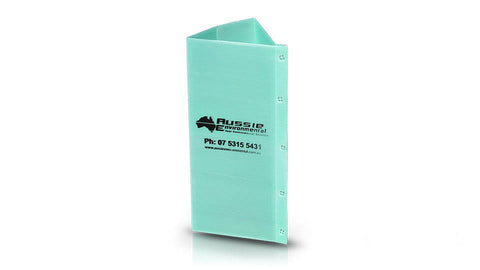
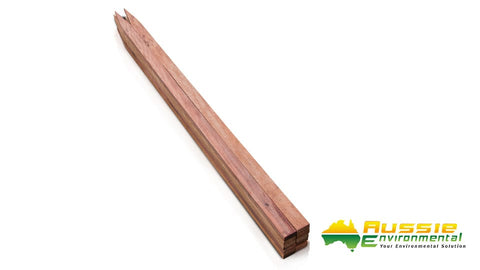
Contact the team at Aussie Environmental, and stock up on all the erosion sediment control supplies you will need to get your construction project started today. We can also offer advice and services to ensure your erosion prevention is up to standard.