












The Best Native Australian Groundcovers for Binding Loose, Sandy Soil

TL;DR: Loose, sandy soil is prone to rapid erosion and moisture loss. Australia's native groundcovers—such as Pigface, Running Postman, Native Violet, Myoporum, and Kidney Weed—offer a natural, low-maintenance way to bind soil, reduce runoff, and improve soil health. Combining these groundcovers with coir matting or temporary erosion controls provides long-term stability for gardens, embankments, and coastal dunes.
Table of Contents
Loose, sandy soil can be a challenge when working on outdoor spaces. They are easily eroded by wind and rain, lose moisture quickly, and struggle to support healthy vegetation. However, with Australia's diverse range of native groundcovers, landscapers have an effective and environmentally friendly solution.
Over thousands of years, these robust plants have adapted to local conditions, making them ideal for stabilising sandy soils, especially when incorporated into thoughtful landscaping to prevent erosion.
Whether you're restoring a coastal dune or creating a low-maintenance garden, selecting the best plants for erosion control in Australian gardens is an essential step toward preventing soil loss and improving long-term soil health.
Why Groundcovers are Effective for Soil Stabilisation
While sandy soil has many benefits, it needs to be managed properly. By forming a dense layer of vegetation across the surface, groundcovers efficiently protect exposed soil. Binding loose particles together, their extensive root system makes it difficult for wind and rainfall to wash or blow the soil away, supporting sustainable soil stabilisation techniques for backyard landscaping.
Above ground, their foliage softens the impact of heavy rain, slows surface runoff, and reduces evaporation—working hand in hand with practices designed to improve soil health and reduce water runoff. As leaves and stems naturally decompose, they add organic matter to the soil, improving its structure and water-holding capacity.
The following 5 native species are some of the most effective to use in sandy soil as they are well adapted to Australia's climate, requiring less irrigation and maintenance once established:
1. Pigface (Carpobrotus Glaucescens)
As one of Australia's most widely recognised native groundcovers, Pigface is commonly used in sandy environments. Found along coastal dunes, it’s a fast-growing succulent that spreads rapidly to form a dense mat protecting exposed soil from erosion.
With its thick, fleshy leaves retaining moisture during dry periods, and its sprawling stems trapping windblown sand, Pigface performs exceptionally well in coastal areas, sandy gardens, and exposed sites with full sun.
Sporting bright pink or purple flowers, Pigface attracts bees and other pollinators, adding visual appeal alongside practical benefits.
2. Running Postman (Kennedia Prostrata)
A vigorous trailing native, the Running Postman produces striking red pea-shaped flowers during spring and summer. Spreading quickly across the ground, it creates an excellent soil coverage while developing an extensive network of roots beneath the surface. This species is perfect for sandy or well-drained soils and provides a suitable habitat for insects and small wildlife.
The Running Postman grows rapidly, making it an excellent choice for revegetation projects where erosion control is a priority.
3. Native Violet (Viola Hederacea)
The Native Violet offers an attractive and practical solution for partially shaded areas such as beneath trees or alongside pathways. This low-growing plant forms a lush green carpet that completely covers bare ground and suppresses weed growth, proving to be one of the best eco-friendly weed control solutions available.
However, its root system is less extensive than larger species, yet with dense foliage it helps to reduce surface erosion and maintains soil moisture.
Native Violet provides year-round attraction with its delicate purple and white flowers.
4. Myoporum (Myoporum Parvifolium)
One of the most popular native groundcovers for erosion control is Myoporum. Also known as Creeping Boobialla, this plant has exceptional spreading habits and resilience, tolerating sandy soils, coastal conditions, drought, and high temperatures. Its vigorous growth supports embankments, roadside plantings, and large-scale site rehabilitation, while its density forms an effective living mulch, shielding the soil from wind and rainfall.
With its small white flowers, Myoporum attracts beneficial insects, contributing to creating a native habitat across your property.
5. Kidney Weed (Dichondra Repens)
Kidney Weed is a versatile native groundcover that creates a soft, carpet-like appearance stabilising loose soils. Its creeping stems spread steadily across the ground, filling gaps and reducing exposed areas vulnerable to erosion.
Kidney Weed is a diverse plant, performing well in both sun and partial shade. It can tolerate a range of soil conditions, including sandy soils with improved organic matter.
A Sustainable Solution for Long-Term Soil Stability
Native Australian groundcovers are a highly effective way to stabilise loose, sandy soil. With their dense foliage, extensive root systems, and natural adaptation to local conditions, they’re valuable resources for controlling erosion while enhancing the beauty and protecting the environment of any landscape.
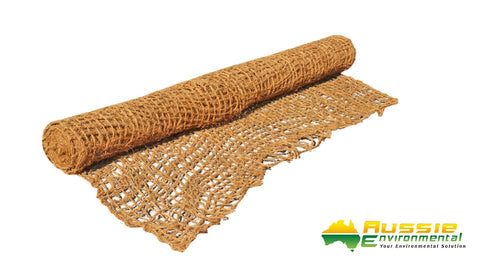
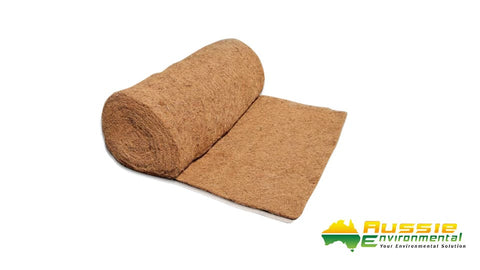
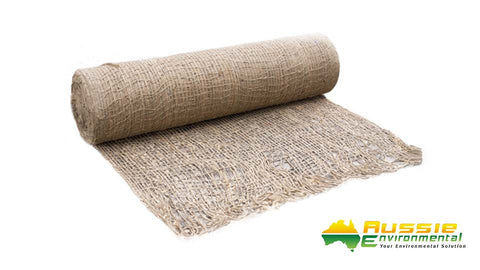
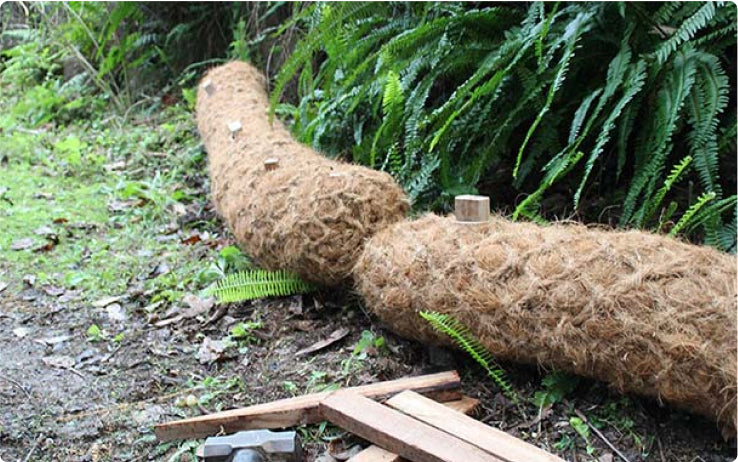
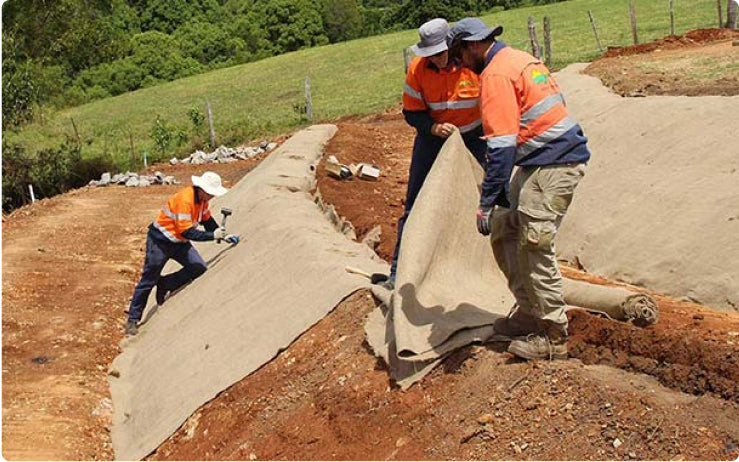
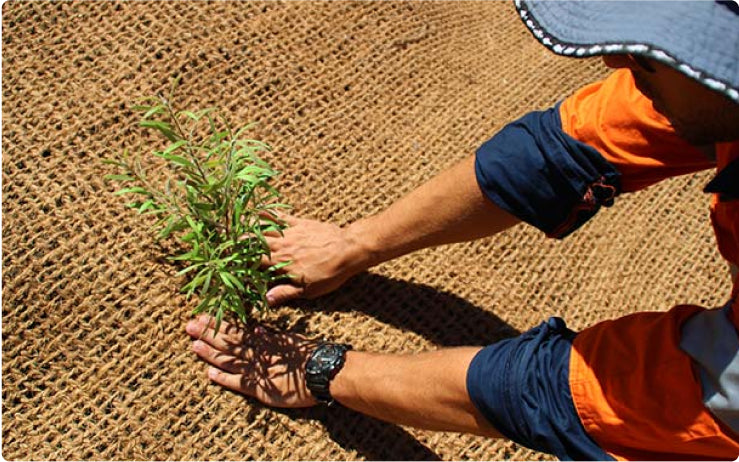
When planning a site, combining living groundcovers with temporary bio-degradable barriers like coir matting helps protect young seedlings as they take root. By selecting suitable native species, you can create a healthier, more resilient landscape that resists erosion, conserves moisture, and requires less maintenance for years to come.