









Soil Stabilisation Techniques for Backyard Landscaping

Transforming your backyard into a beautiful, functional space starts with healthy, stable soil. A solid ground is key to creating a landscape that can withstand time. It means minimal erosion, improved drainage, and gives plants the strong foundation they need to thrive.
With soil stabilisation techniques like mulching and groundcovers to retaining walls and geotextiles, there are plenty of creative ways to protect your backyard.
Knowing how to stabilise soil is important as it means you can effectively work towards strengthening and protecting the ground, making it more resilient to erosion, weather, and heavy use. A garden with stable soil provides a solid foundation for plants, pathways, patios, ensuring they remain safe and last for years to come.
Without this stability, soil can wash away during rain, dry out and crack, or shift under heavy weight, leading to uneven surfaces and costly repairs. From an environmental standpoint, it also improves drainage, reduces dust, and helps maintain soil fertility.
With the right techniques, your outdoor space can be resilient and aesthetically pleasing.
The Top 10 Techniques
1. Mulching
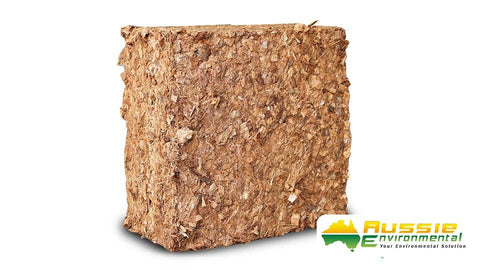
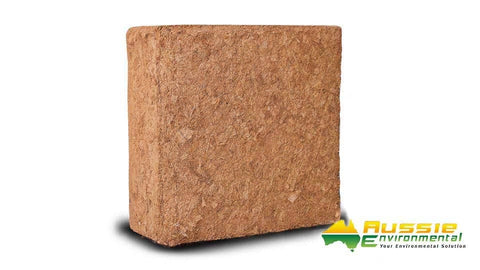
Apply a layer of organic mulch (wood chips, bark, straw) to protect the soil from wind and rain erosion. This technique also retains moisture, regulates temperature and adds nutrients to the soil as it breaks down.
2. Planting Groundcovers
Low-growing plants, like creeping thyme, native grasses, or low shrubs form a living carpet by binding the soil with their roots. This reduces erosion on slopes or bare patches while enhancing aesthetics and biodiversity.
3. Retaining Walls
Use stone, brick, or treated timber to stabilise sloping areas by holding soil in place. These walls creating level areas, prevent landslides and add visual interest.
4. Terracing
For steep backyards, use terracing to divide slopes into smaller, flat sections. This method slows water runoff, holding soil in place, and creates usable garden beds or seating areas.
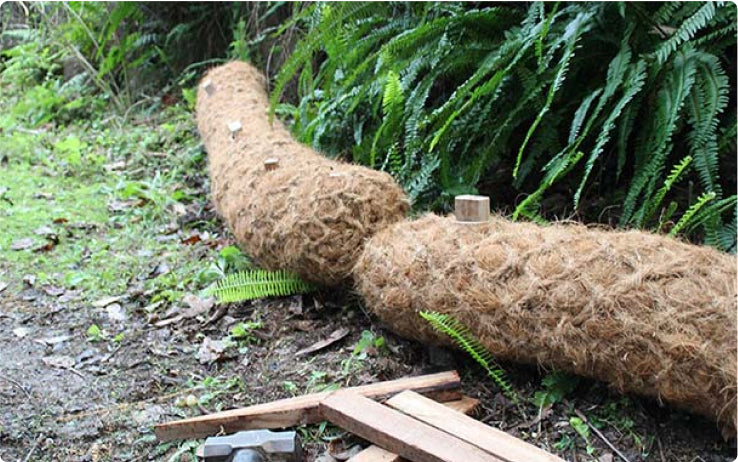
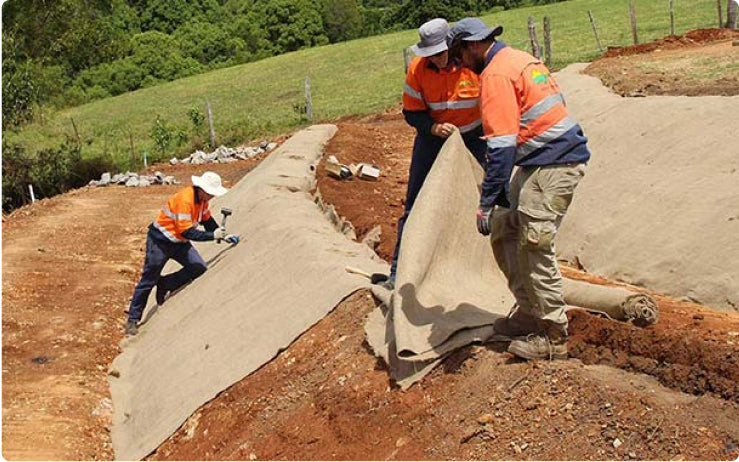
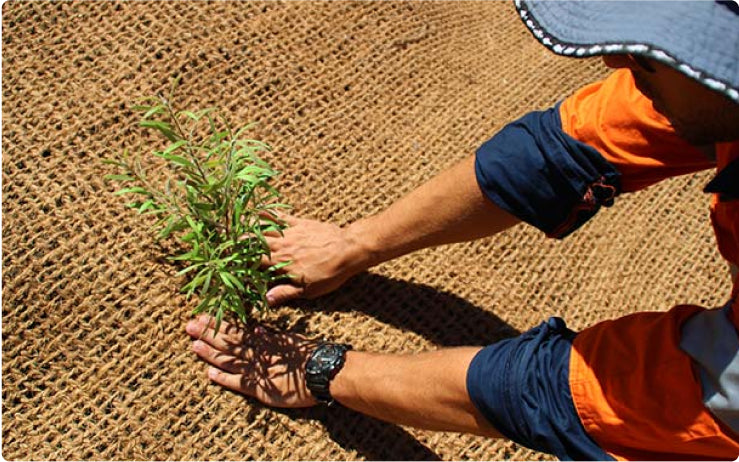
5. Erosion Control Matting
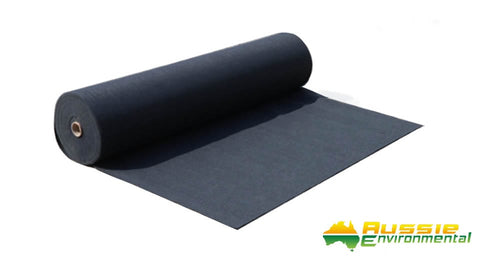
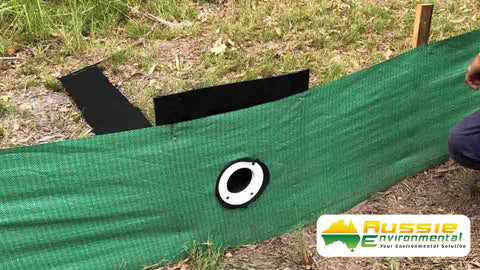
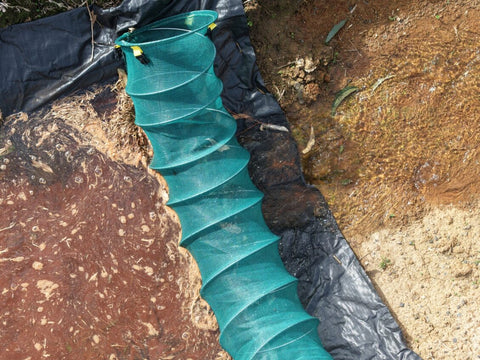
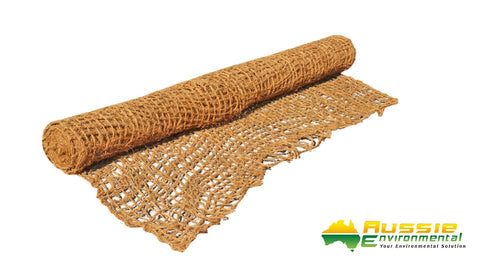
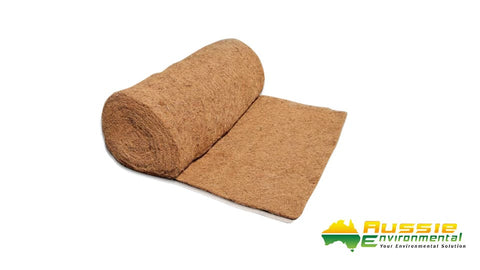
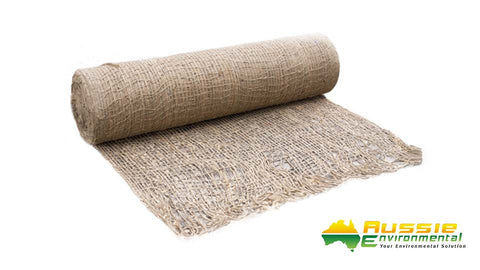
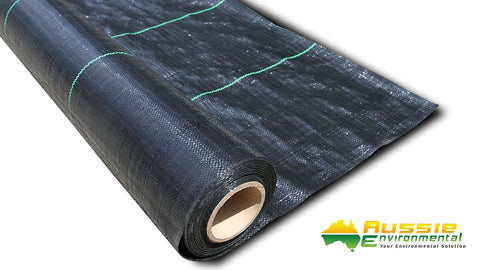
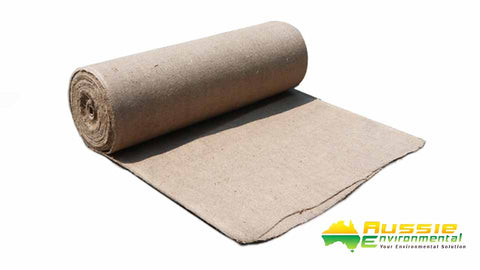
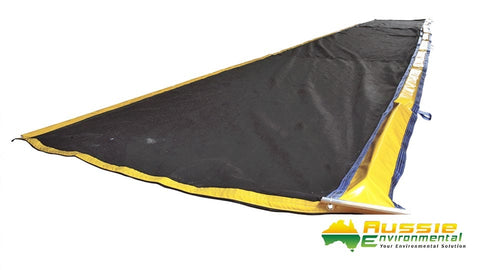
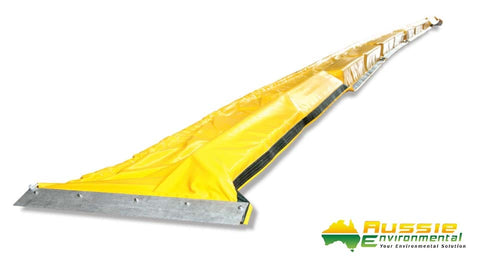
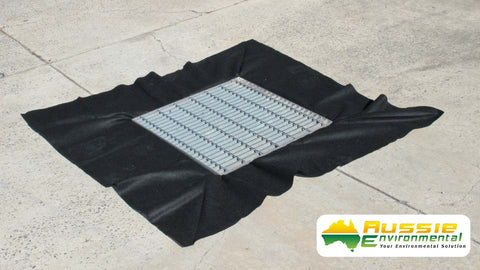
Cover exposed soil with geotextiles or biodegradable mats. They’re used to protect against erosion while infiltrating water and allowing vegetation to establish naturally.
6. Gravel or Crushed Rock Pathways
Lay gravel or crushed stone to stabilise high-traffic areas such as walkways to prevent soil compaction and reduce muddy patches.
7. Proper Drainage Systems
Install French drains, swales, or permeable pavers to direct water flow away from vulnerable soil areas. A good drainage system minimises washouts and keeps soil structure intact.
8. Soil Amendments
Incorporate lime, compost, or stabilising agents to the soil, improving its structure, and making it less prone to erosion and compaction.
9. Edging and Borders
Install garden edging, using stone, metal, or treated wood to contain soil in garden beds and prevent erosion at the edges of paths and lawns.
10. Native Plant Landscaping
Fill your backyard with hardy native plants suited to your climate. Not only do they require minimal maintenance, but they naturally stabilise the soil with their deep, strong root systems.
Conclusion
Soil stabilisation is the foundation of a healthy, lasting backyard. By combining natural techniques like plants and mulch with structural supports such as retaining walls and drainage, not only do you protect your investment in landscaping, but you also support healthier, sustainable outdoor spaces.
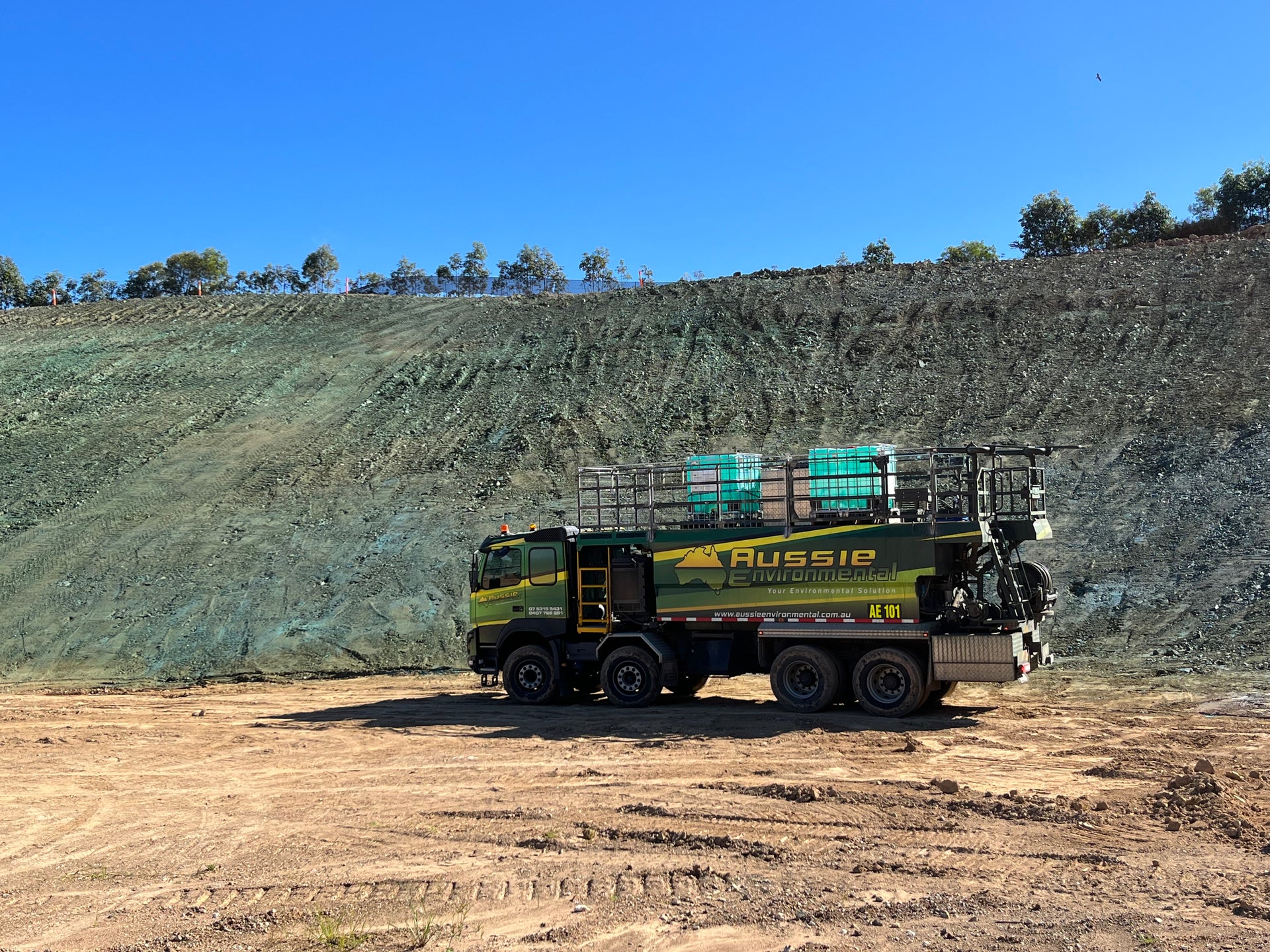
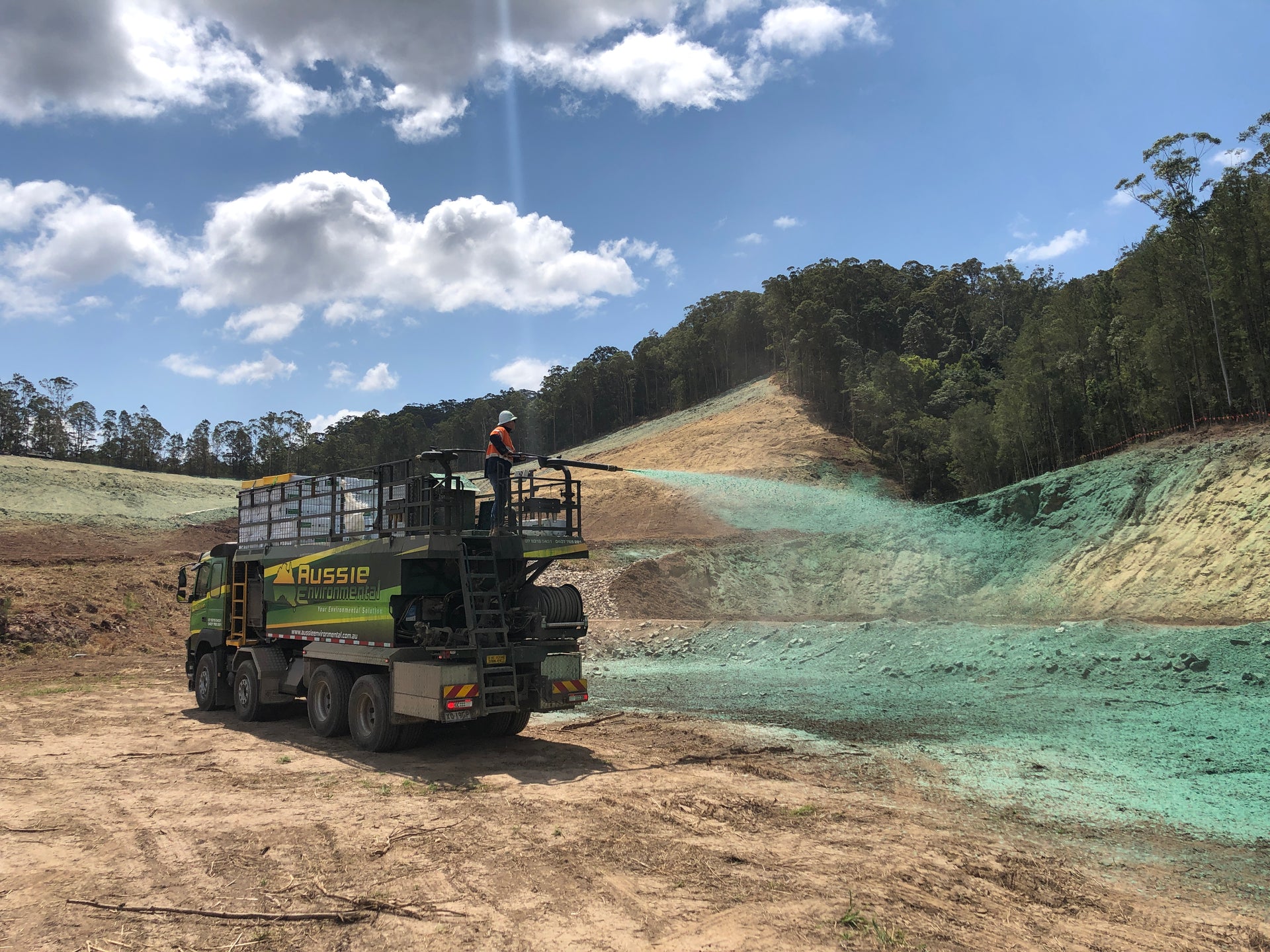
At Aussie Environmental, we offer soil stabilisation services to ensure your landscape project has a solid base for years to come. Read more here.