








Reusing and Recycling Erosion Control Materials

Want to find ways to protect the environment by lowering your carbon footprint? Then start by reusing and recycling erosion control materials. This smart and sustainable way not only safeguards the lands but reduces costs in landscaping and construction projects.
Many common erosion control products can often be repurposed and given a second life, minimising waste, conserving natural resources, and cutting down on landfill use. Recycling also encourages innovative solutions, such as turning old materials into compost or new products.
So instead of seeing these materials as waste to be disposed of, see them as the eco-friendly answer to erosion control.
What are Erosion Control Materials?
These materials are specifically designed to support the eco-system by preventing soil loss, managing water flow, and protecting landscapes from being washed away by wind, rain, or runoff. These products are widely used in construction, agriculture, landscaping, and along waterways to stabilise soil and reduce sediment entering drains or rivers.
Commonly used are:
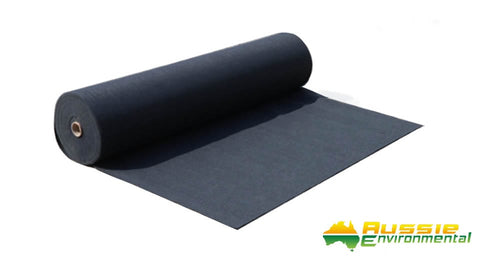
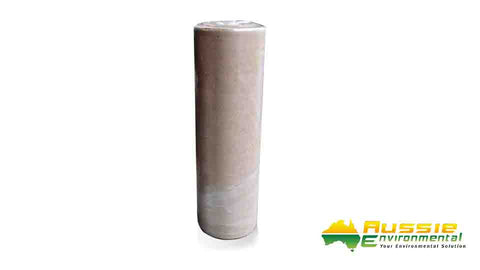
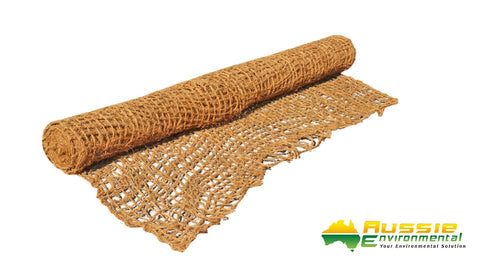
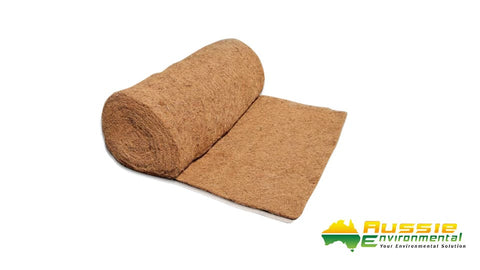
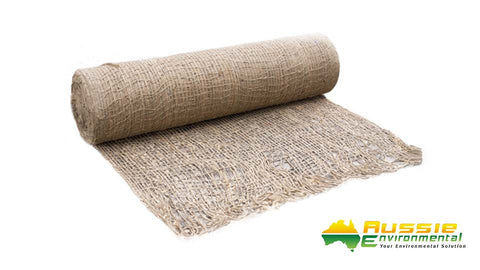
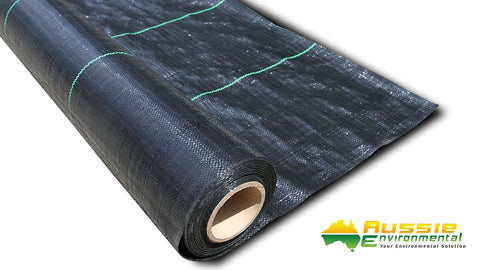
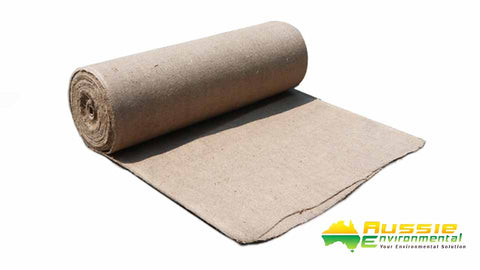
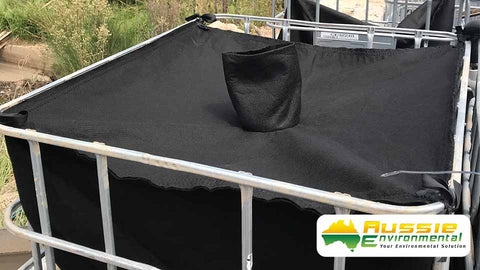
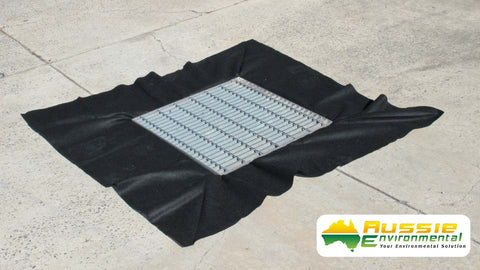
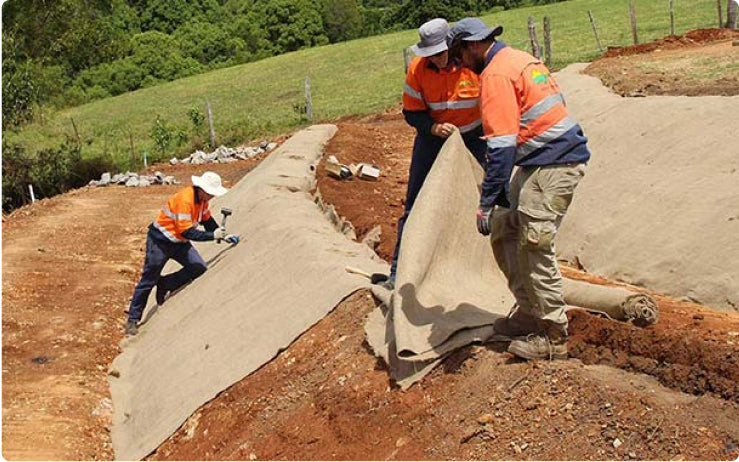
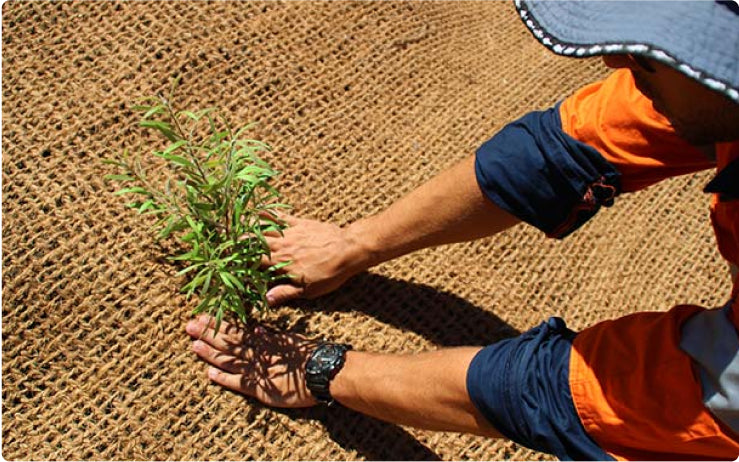
- Geotextiles and Erosion Control Blankets: Fabrics that hold soil in place and support vegetation growth.
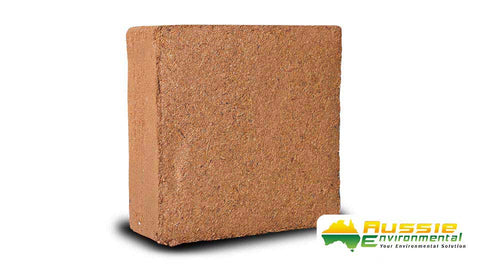
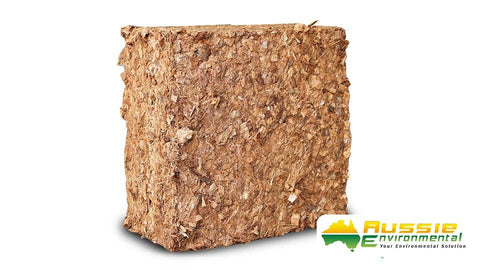
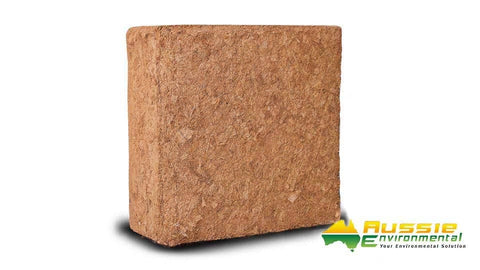
- Mulch and Compost: Organic layers that protect soil and add nutrients.
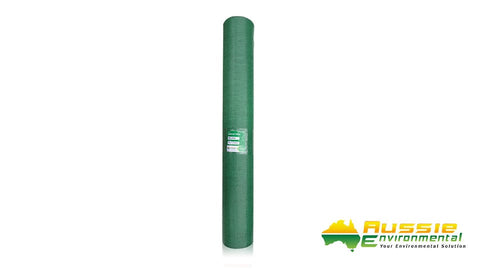
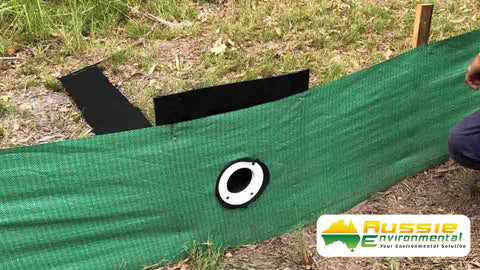
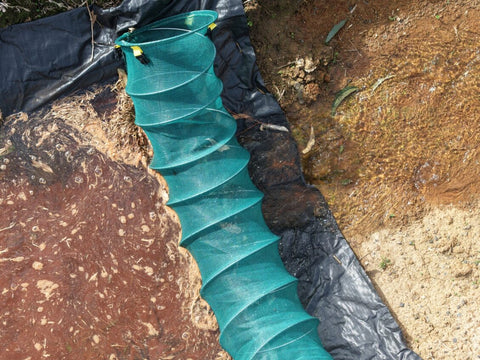
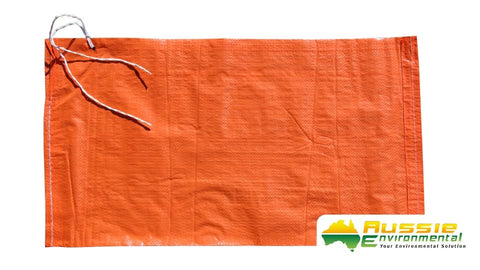
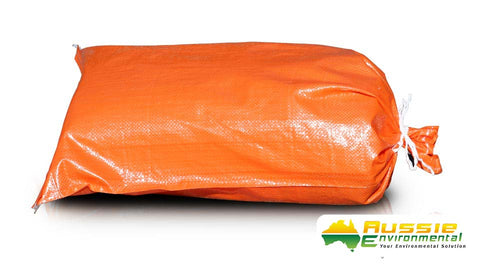
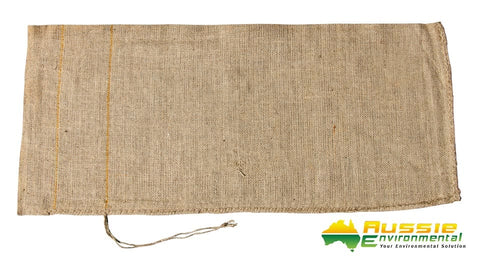
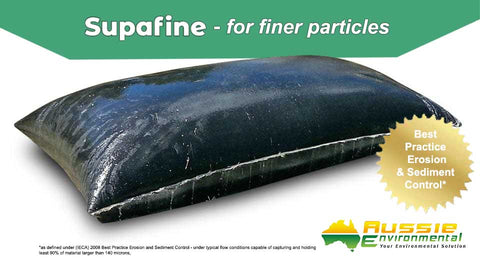
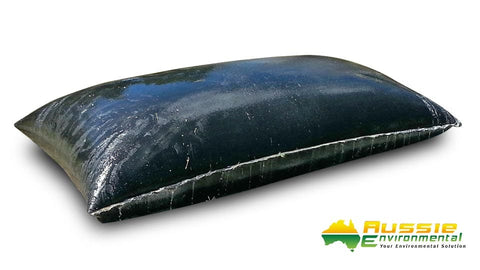
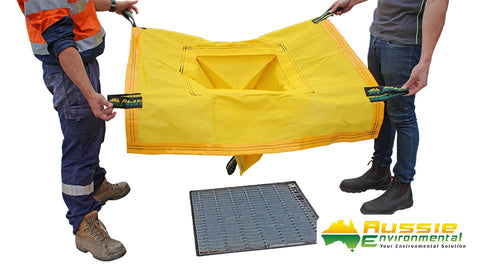
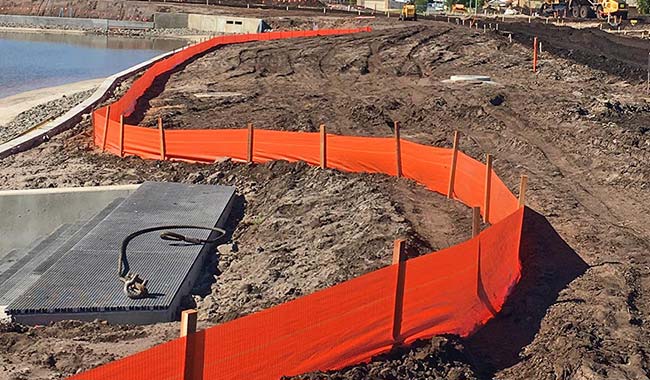
- Sandbags and Silt Fences: Barriers that slow water movement and trap sediment.
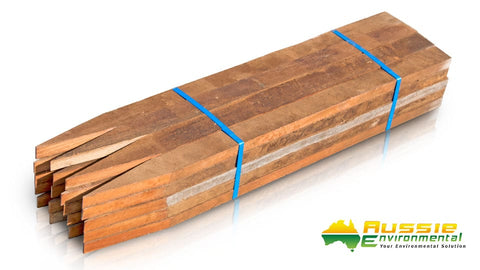
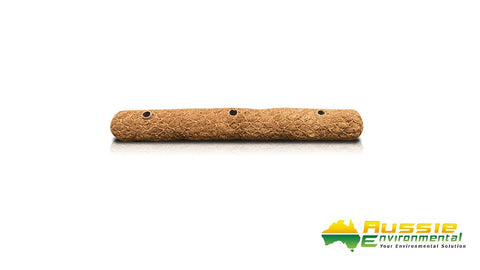
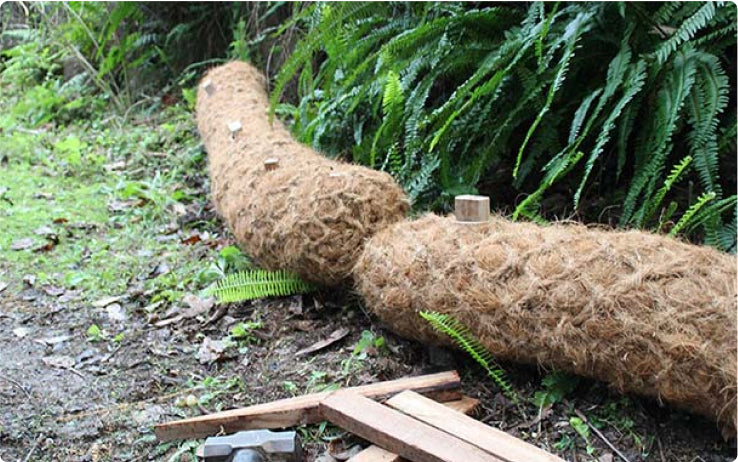
- Rocks, Logs, and Retaining Structures: Natural or built materials that reduce erosion on slopes.
Where Recycled Erosion Control Materials can be Used
While all erosion control materials are essential, each product has its own strengths and purposes making it most effective for particular settings and situations. Below is a breakdown of where each works best:
1. Geotextiles & Erosion Control Blankets
- Best For: Slopes, construction sites, and revegetation areas.
- How They Work: By covering the bare soil, these fabrics prevent erosion while allowing water to filter through. They stabilise the ground and support seed germination.
2. Mulch & Compost
- Best For: Gardens, landscaping, farms, and disturbed soils.
- How They Work: They create a protective organic layer that reduces raindrop impact, retains moisture, suppresses weeds, and gradually enriches the soil.
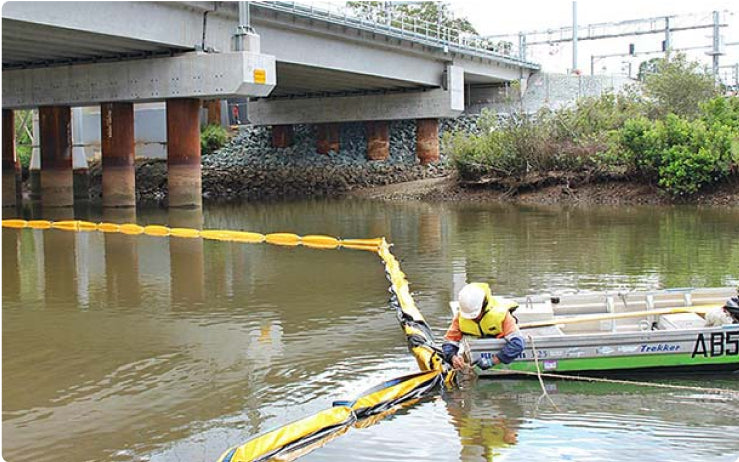
3. Sandbags & Silt Fences
- Best For: Construction sites, drainage channels, and areas prone to flooding.
- How They Work: Acting as a barrier, they slow down water flow and trap sediment before it reaches stormwater drains or waterways.
4. Rocks & Logs
- Best For: Riverbanks, creek edges, coastal areas, and steep slopes.
- How They Work: These heavy materials absorb water energy, and in turn stabilise banks and prevent soil from being washed away.
5. Retaining Walls & Terraces
- Best For: Steep or unstable slopes, urban gardens, and infrastructure projects.
- How They Work: They create level areas that reduce runoff speed, which improves water infiltration and prevents soil slippage.
Is it Sustainable to Re-Use Erosion Control Materials?
Absolutely. Erosion control materials are strong enough to be used several times and for multiple purposes. Reusing products like geotextiles, sandbags, rocks, and timber is not only sustainable but also a smart, eco-friendly choice. Give these materials a second life; turn rocks or logs into pathways and reduce waste, save money, and cut down on the demand for new resources.
Questions? visit Aussie Environmental today and let us lead you away from the landfill and point you in the right direction to continue protecting soil and waterways. It’s a win for your project, your budget, and the planet!