









Polywoven Sandbags: Why They're the Go-To Choice for Modern Flood Protection

In an ever-increasingly unpredictable and harsh climate, Australian's are finding polywoven sandbags their preferred choice of flood protection for their property. They are an affordable option, especially when compared with hessian sacks, and they cope well in our harsh environment.
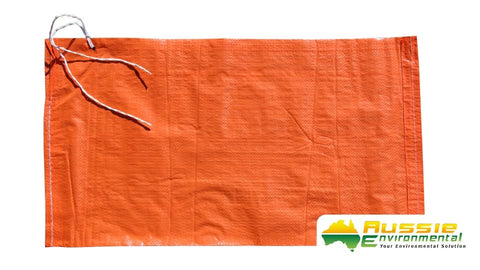
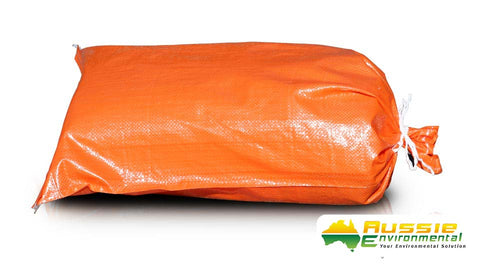
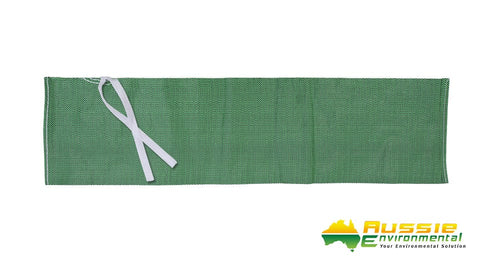
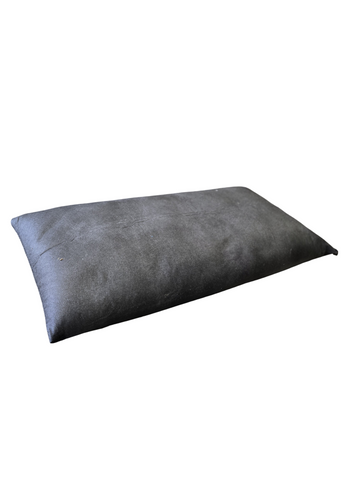
Polywoven sandbags are made by weaving thin threads of polypropylene into a cross-hatched pattern, similar to hessian or burlap sacks, which creates a robust and tear-resistant fabric. The term "polywoven" specifically refers to polypropylene, a durable, synthetic plastic polymer, as opposed to hessian sandbags (which are natural and biodegradable) or PVC/vinyl (which is heavier, more waterproof option).
When choosing polywoven sandbags for flood defences, ensure you buy ones that say they are UV-stabilised or UV-treated, otherwise, without these additives standard plastic bags can turn to powder in strong sunlight in just a few weeks.
Advantages of Using Polywoven Sandbags Over Hessian
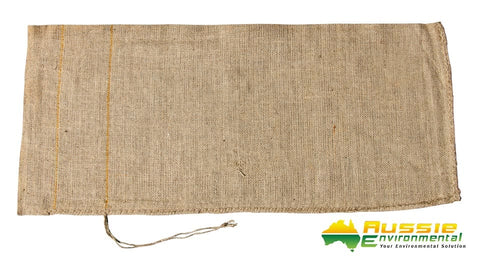
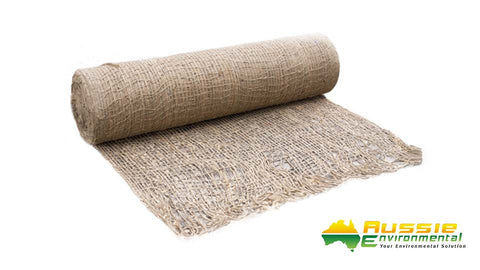
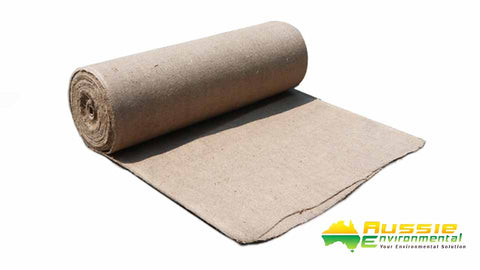
There are important advantages in choosing polywoven sandbags over more traditional choices like hessian, and the main one is durability. Hessian, (or burlap as it is sometimes known) is a woven fabric made from the natural fibres of the Jute plant. It is strong, eco-friendly and biodegradable, so it will just disappear back into the ground over time. But those fibres can start to slowly break down within their first month of use, depending on their exposure to moisture and sun.
Polywoven bags are made of synthetic plastic, so they do not rot or absorb water, and are much better suited for use as long-term flood barriers, especially in wet environments. They are also treated with UV stabilisers, so unlike natural hessian which can quickly degrade in Australia's extreme sunlight, polywoven bags typically last 1-3 years outdoors. The woven structure of the polymer gives it exceptional tensile strength, so it withstands rough handling and dense materials like wet sand or gravel.
The other main point to consider is cost. Jute plants take 4-6 months to grow to maturity, then they need to be striped and dried before they can be spun into yarn. This labour-intensive process meaning the price can be at a premium. If you need to buy in bulk then poly bags are much more cost-effective. Industrial machines can produce up to 150,000 bags per day, making them a much cheaper option.
What About the Environment?
While we all try to veer away from plastic to ease the pressures on the environment, we still need certain products where plastic is the obvious choice. The good thing about environmental awareness is that manufacturers have had to take responsibility for the items they produce.
Due to their durability, polywoven sandbags can be stacked and stored in a dark place, ad reused for years, reducing the need for new plastic. If they are manufactured responsibly from Class 5 recyclable polypropylene, then with proper recycling of these products, they can be repurposed into ropes, textiles or other products.
The Best Uses for Polywoven Sandbags
If you want to stockpile sandbags so you have them at-the-ready should you need them, then poly bags will keep in storage without worrying that they will rot over time, and the woven plastic ensures they won't burst under heavy pressure. If you are going to leave sandbags in the sun, or even in water for an extended time, they are ideal for long-term exposure, and in large quantities poly bags are definitely the more budget-friendly option.
Nobody wants to be caught out with flash floods or rapidly rising rivers, and in today's climate it seems to happen more and more. Be prepared for the inevitable and have some sandbags at the ready! If you'd like to learn more, visit Aussie Environmental today.