









How to use Sandbags Properly for Flood and Erosion Control (Step-By-Step Guide)

While sandbags won't completely prevent water from coming into your home or property, they will certainly help to reduce the amount that does enter. Sandbags are most effective when used for low-flow flood control and as a temporary measure, such as diverting water away or plugging gaps in doors.
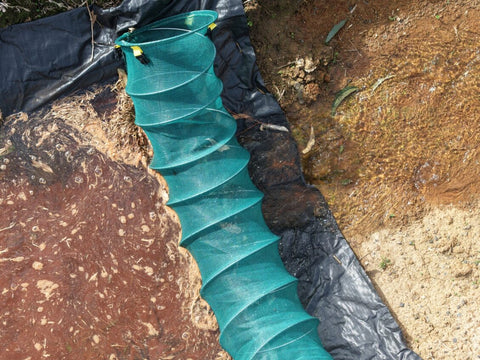
Sandbags will form a flexible, heavy barrier to keep soil in place, and are effective at stabilising riverbanks and slopes, and protecting shorelines. They can also be used to reduce wind erosion and stabilise soil where plants are being grown, to allow vegetation to take root.
To get the most out of your sandbags you must be aware of their structure and placement, as simply piling them on top of each other can lead to weak points and allow water seep in and wash away the structure. Correct placement transforms individual, porous bags into a cohesive, stable barrier that will help minimise structural damage during a flood.
Fail to Prepare, Prepare to Fail
Floods can happen when you least expect it, and they sometimes even happen when you are expecting it but you haven't been prepared. It is a good idea to have your own sandbags at the ready, so they are ready to use if the worst should happen. This will give you peace of mind and ensure suppliers haven't run out if a flood warning is suddenly announced, or as the storm season approaches.
Filling Your Bags
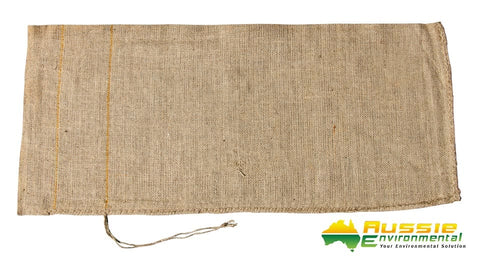
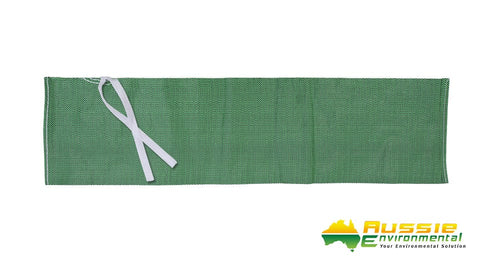
Only use sand to fill your bags - soil can turn into slippery mud and wash away. Coarse sand is ideal because it is heavy and filters water better than other materials.
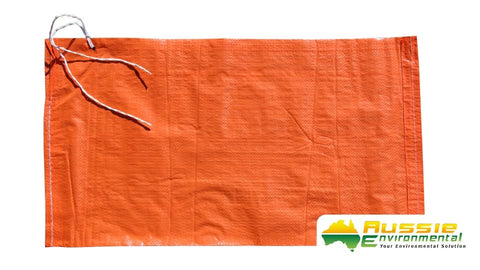
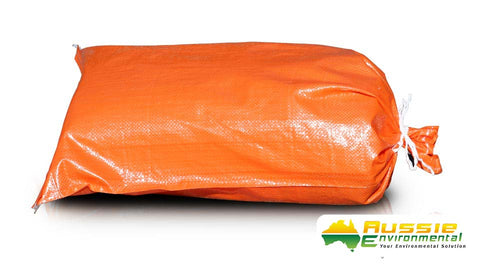
Never overfill sandbags because unless you are training for The World's Strongest Man, they will be too heavy to carry, and deployment of sandbags can be a tough enough job as it is! Half-filling bags is ideal, because it allows for better flattening, but three quarters is also acceptable. Don't tie the ends of filled sandbags as leaving them untied allows for better packing and sealing when building a barrier.
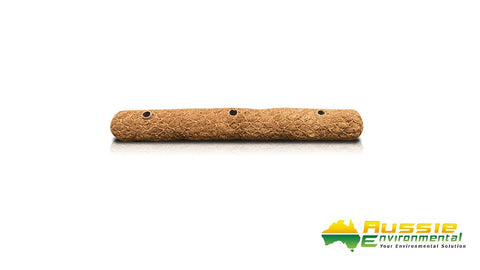
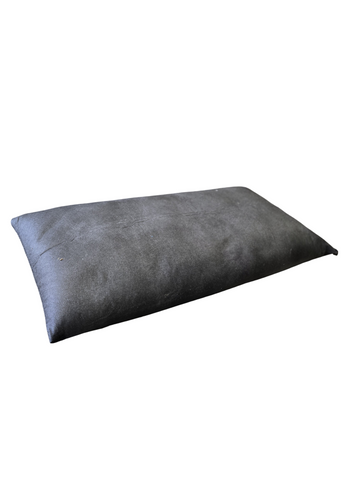
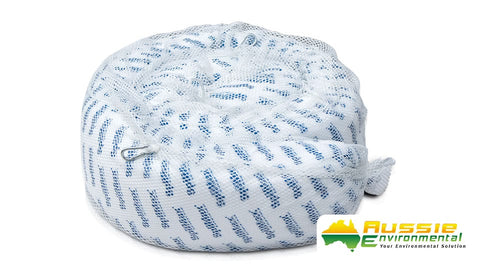
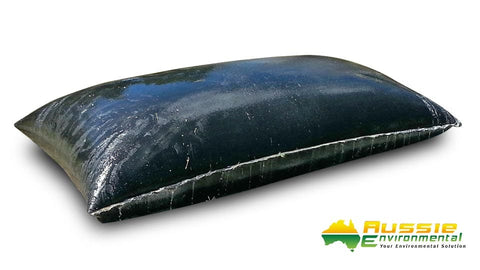
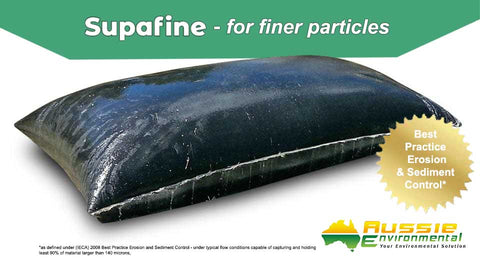
Self-inflating sandbags do not require filling as they self-inflate when they come into contact with water.
Placement for Flood Control
You should direct water flow away from vulnerable areas like doors, drains and air bricks by strategically placing sandbags rather than just building a weak wall. It is always a good idea to lay sandbags on plastic sheeting to prevent water seeping under the barrier.
Lay the sandbags lengthwise with the open end tucked under and pointing away from the water - this will ensure that the weight of the water tightens the seal. The first layer should be laid flat and end-to-end to create a stable foundation, and stomp then into place before adding the next row to help create a tighter, more stable structure that won't wash away.
Overlap the next row as if you were laying a brick wall. Usually 2 rows of sandbags are enough, but if you build higher than three levels use a 'pyramid' style to ensure stability.
Sandbags for Erosion Control
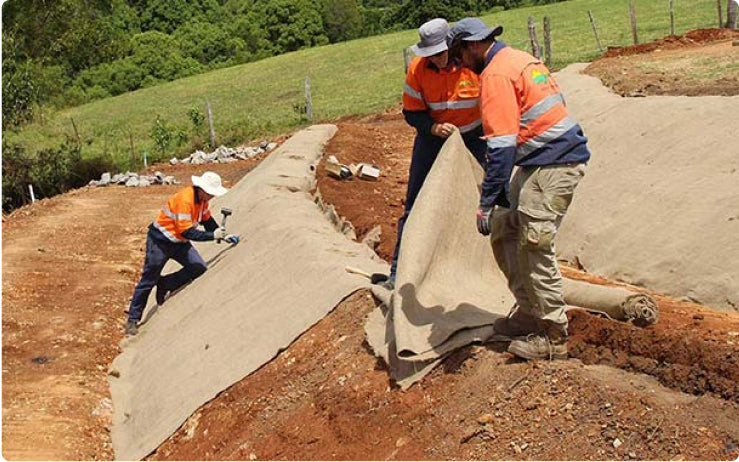
If you are stabilising a slope then create a shallow trench about half a bag deep at the base of the slope to prevent the wall from sliding forwards. Stack the bags so they are leaning towards the slope (a vertical wall will topple over with the weight of the soil behind it), and in thicker walls lay some bags lengthways and others widthways to tie the structure together. Always backfill each layer with soil or gravel to prevent water from carving away soil and destabilising your barrier. If you'd like to learn more, visit Aussie Environmental today.