



















How Heavy Rainfall Affects Soil Compaction on Active Construction Sites

Heavy rainfall can be an obstruction to construction projects, especially when trying to achieve proper soil compaction. While rain is an unavoidable part of working outdoors, too much moisture can change soil conditions, reduce stability, and create structural issues if not managed correctly. With careful planning, contractors, developers, and site managers can protect both project timelines and the quality of the finished build.
Why Proper Soil Compaction Matters
Soil compaction is the process of increasing soil density by reducing the air spaces between soil particles. When soil is properly compacted it provides a stable foundation for buildings, roads, retaining walls, pipelines, and other infrastructure. It improves load-bearing capacity, minimises settlement, and reduces the risk of movement after construction is complete. If compaction is executed incorrectly, it can cause foundations to shift, pavements to crack, and drainage systems to fail prematurely.
A successful compaction depends on the right amount of moisture, hence why weather conditions are a critical consideration throughout a project.
The Impact of Excess Moisture on Soil
Every soil type has an optimal moisture content for effective compaction, so when it rains heavily, moisture levels are often pushed well beyond this ideal range. When soil becomes saturated, water fills the voids that would normally allow particles to lock tightly together during compaction. Instead of achieving a dense, stable surface, water is simply pushed through the soil, which creates rutting or unstable layers.
Clay soil is particularly vulnerable as it quickly absorbs water and remains wet for a long period of time, becoming soft, sticky, and difficult to compact.
Sandy soil, however, may erode or lose fine particles, affecting its structural integrity.
How Saturated Soil can Affect Production
Heavy rainfall doesn't just affect compaction:
- Reduced Equipment Efficiency: Compaction machinery performs best when soil is within its optimal moisture range. Rollers and compactors become less effective as they are unsupported on over saturated ground. Instead of compressing the soil evenly, this heavy machinery creates deep ruts or disturbs previously compacted areas. Equipment can even become bogged, with restoration increasing project costs and delays.
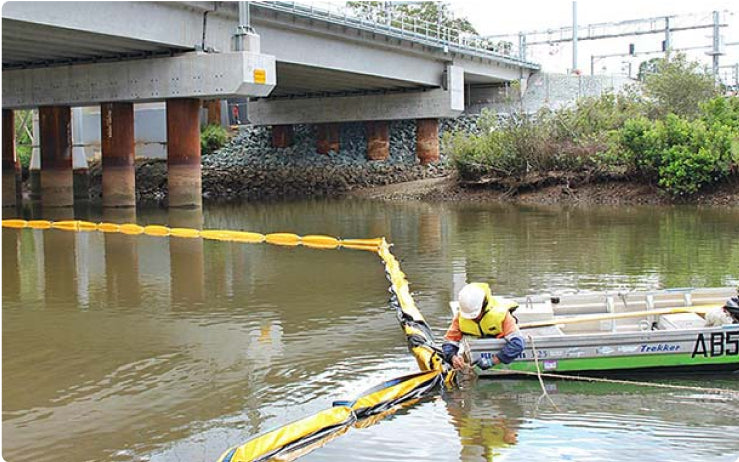
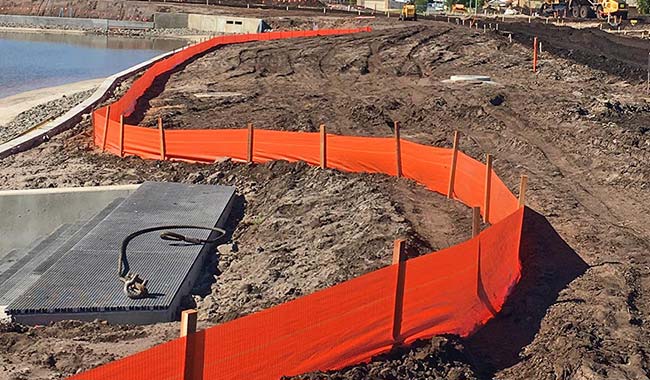
- Increased Risk of Soil Movement and Erosion: Excessive moisture increases the likelihood of soil erosion and movement across active construction sites.Heavy rainfall can wash away freshly placed fill, remove fine soil particles, and create uneven ground conditions. Also, sediment can drift into nearby waterways, creating environmental compliance issues and potential regulatory penalties if erosion control measures aren’t met.
- Delays to Construction Schedules: Construction projects have deadlines; relying on carefully planned sequences of earthworks, foundation preparation, and structural installation. When proper compaction is prevented by heavy rain, subsequent stages are postponed until the soil is sufficiently dry.Building on poorly compacted or saturated ground creates defects that become expensive to rectify later. Although these delays temporarily impact schedules, they prevent costly structural problems that may appear months or years after the project is complete.
Managing Soil Compaction After Heavy Rain
Adverse weather should be planned for, not just reacted to. Site managers should undertake practical strategies such as:
- Monitoring weather forecasts.
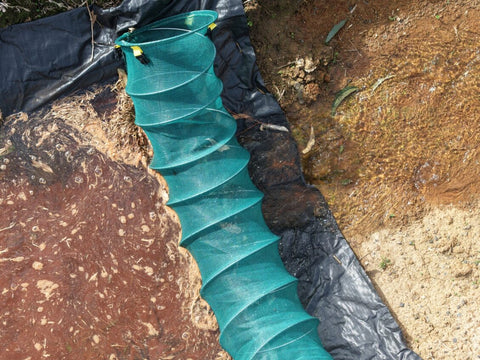
- Installing temporary drainage systems.
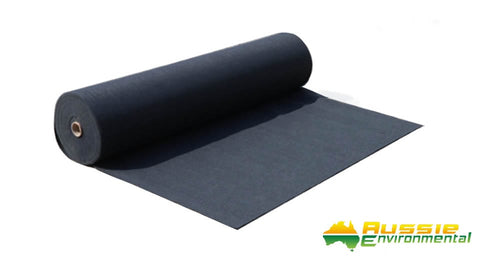
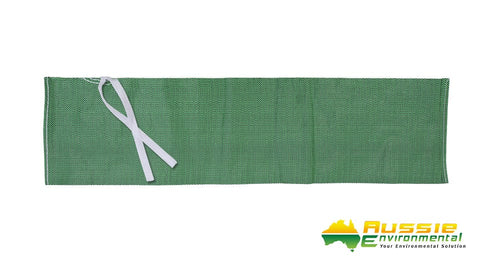
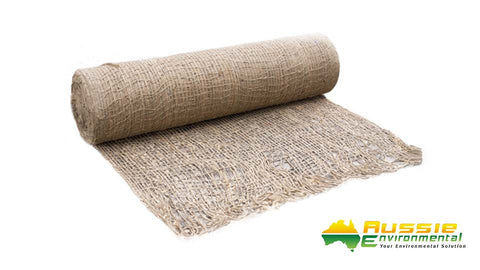
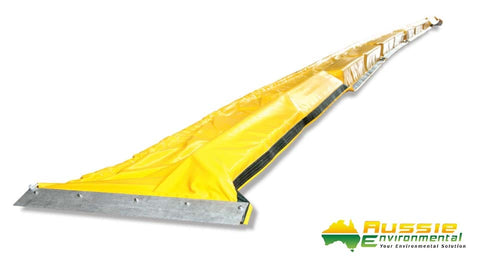
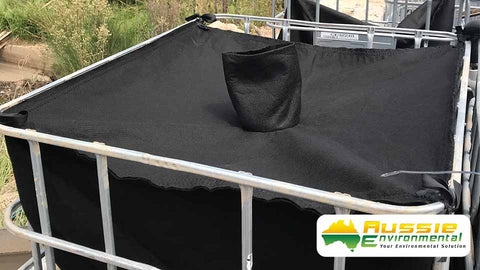
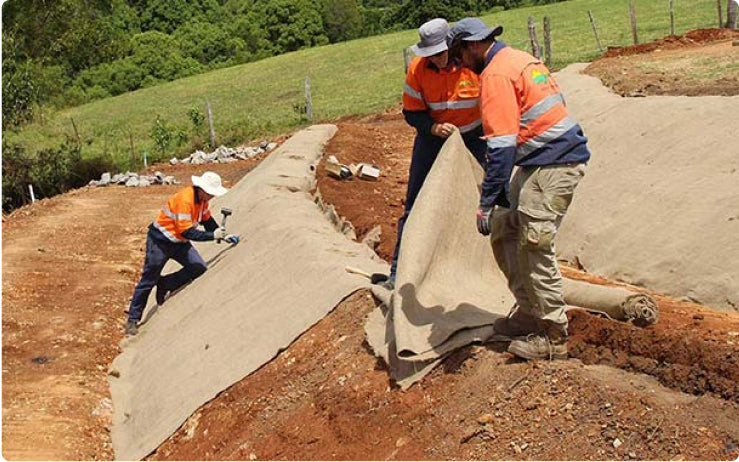
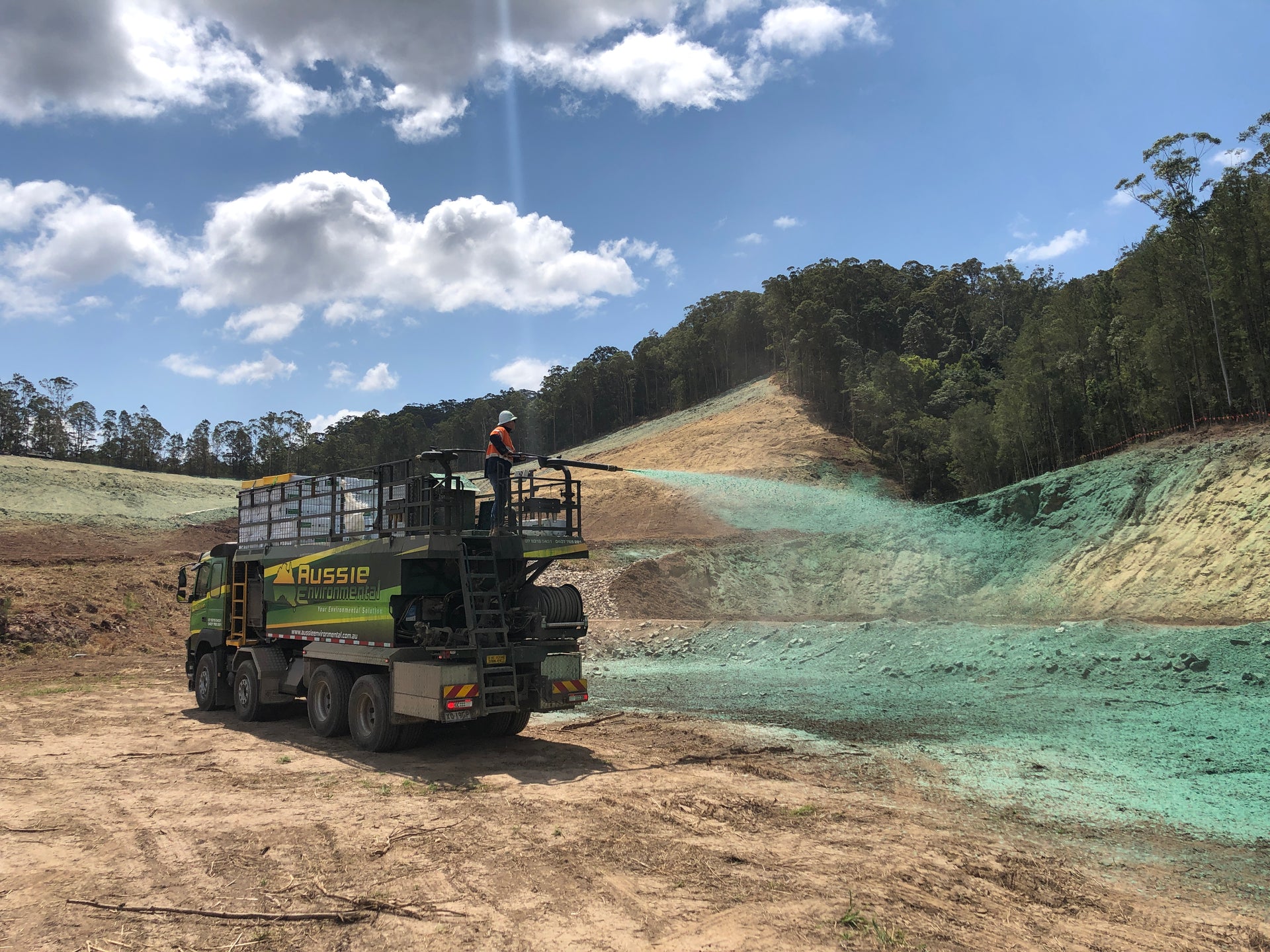
- Protecting exposed soil with covers or stabilisation products.
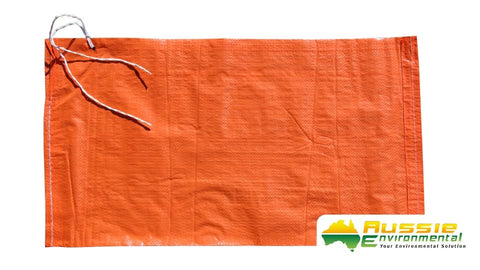
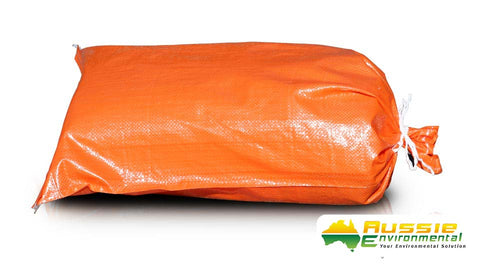
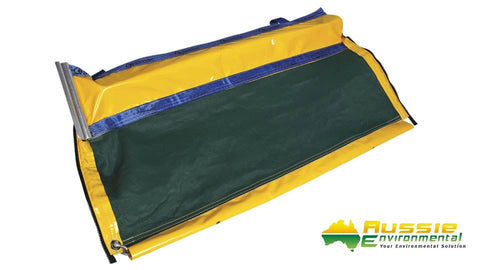
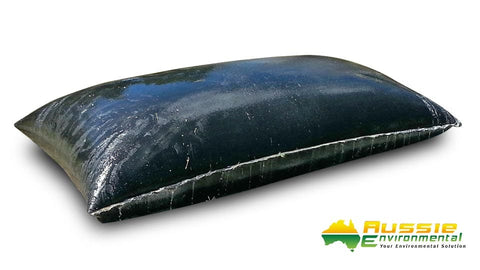
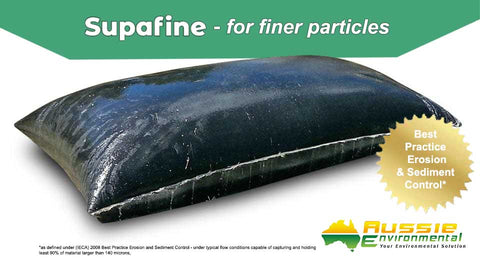
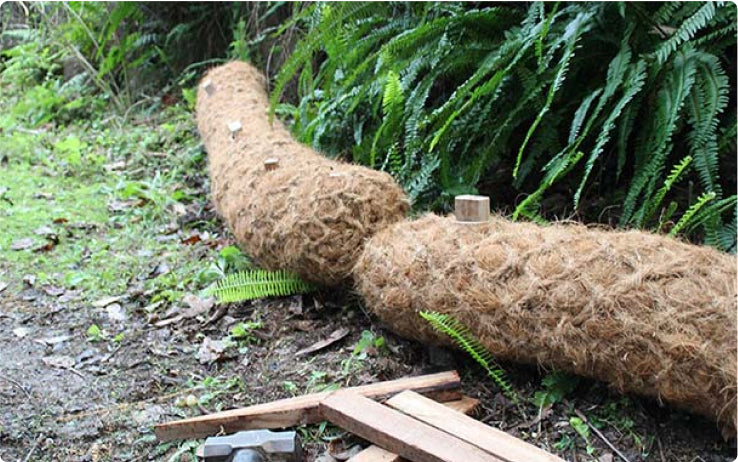
- Maintaining effective sediment control measures.
- Conduct regular moisture and density testing before proceeding with compaction activities.
Excessively wet soil should be given sufficient drying time and unsuitable material replaced, rather than attempting to compact saturated ground. Additionally using the appropriate compaction equipment for specific soil types and adjusting schedules according to the weather can minimise disruption while maintaining quality standards.
Building Strong Foundations Despite Challenging Weather
Heavy rainfall can be a challenge for construction projects, but with careful planning and effective site management its impact can be reduced. With proper understanding of soil behaviour and a combination of monitoring, control and testing, contractors can make informed decisions, and construction teams can maintain stable foundations in challenging weather conditions.
When soil compaction is done right it leads to stronger, longer-lasting infrastructure and more successful project outcomes. To learn more, visit Aussie Environmental today.