









Hessian Sandbags vs Synthetic Options: Which is Best for Flood and Erosion Control

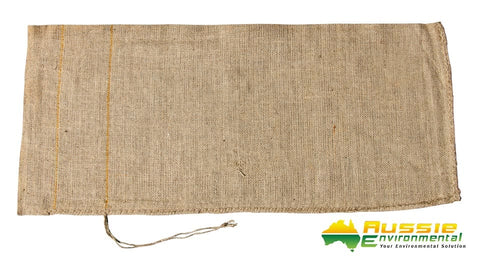
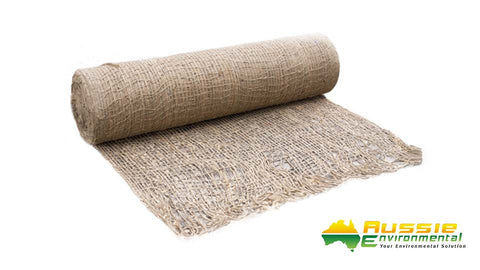
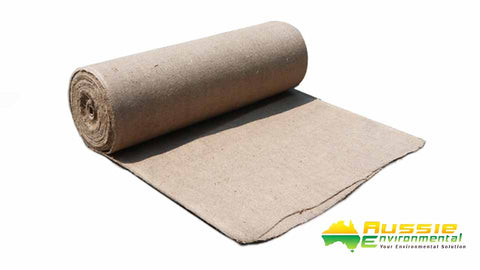
Hessian fabric is made with fibres from the bark of the Jute plant, an annual plant that originated in India. Jute has been used for making textiles in the Indus valley civilisation since the 3rd millennium BC, and is still extremely popular today. Jute fibres can be spun into coarse, strong threads, and because it is so durable it has long been used to make ropes, but is also woven into bags known as burlap.
Burlap is durable and resistant to condensation, so it has been used to make all kinds of bags and sacks over time, particularly in shipping goods such as coffee, rice and potatoes. Due to it's coarse, rough texture, jute has been used in numerous industries such as the fishing, construction and arms industries, and because of its durability it works well when woven into rugs and bags.
Differences Between Hessian and Synthetic Sandbags
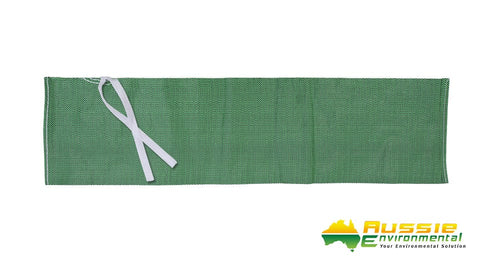
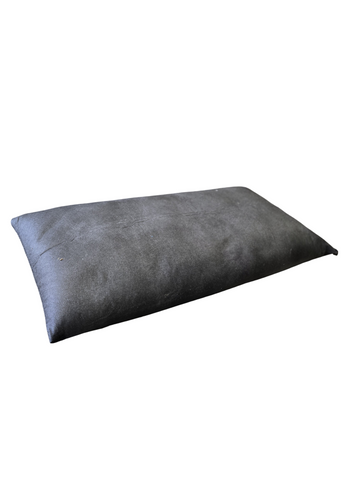
Hessian sandbags are made from natural plant fibres, meaning they are fully biodegradable, and last for a few weeks up to 8 months or more depending on their usage. Synthetic, or polypropylene sandbags come from woven plastic, which means they are not biodegradable although some are recyclable. They are cheaper to produce and provide longer lasting defence than their natural counterparts.
Pros and Cons for Hessian
This material is the traditional choice for sandbags, and in the current climate where everybody is trying to be more environmentally conscious they are the obvious choice. The rough texture of hessian allows them to bite into each other when stacked, making a very stable wall, but they can begin to degrade as soon as they get wet, and may only last about 4 weeks in wet conditions. On the plus side, because they naturally rot away they will eventually become part of the landscape.
Jute plants are highly sustainable and eco-friendly. They require minimal water to grow, require no chemical fertilizers or pesticides to cultivate, and absorb carbon dioxide whilst releasing oxygen.
Pros and Cons for Synthetics
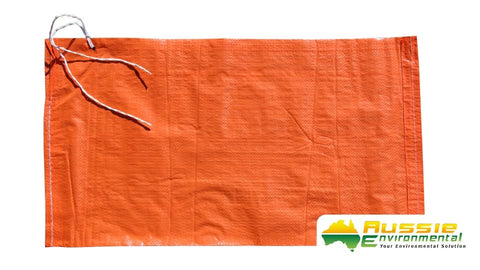
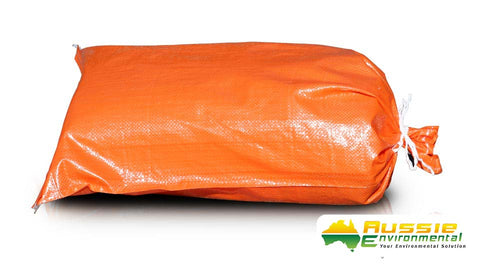
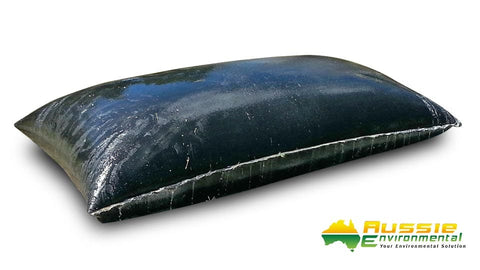
Polypropylene is plastic, meaning it's not natural but it is more durable than hessian and won't rot away or break down in the sun, especially if it is UV treated. Plastic doesn't absorb water, so these bags are lighter to move when they get wet (although they can become slippery), and have become the modern standard for heavy-duty, or long-term flood management. They are also generally cheaper to produce and buy in bulk.
However, because they will not rot away they must be manually removed and disposed of to avoid contaminating the environment with even more plastic.
How to Decide the Best Sandbags for you
As with all flood water solutions, in order to get the most appropriate protection you need to understand the differences in the way various options work.
For a temporary solution, 6 months or less, choose hessian every time. They have a good non-slip grip and will stack well to provide good protection. They can be left in place to biodegrade naturally in a garden, and you can be happy you are making a sustainable and eco-friendly choice.
For a long-term solution, maybe 1-2 years, you may want to consider a synthetic equivalent. If you are expecting heavy UV exposure, or you want a cost-effective solution for a large project, then plastic is cheaper and more durable. Remember though, it is your responsibility to arrange the disposal of plastic afterwards.
Hessian is typically preferred for its natural, biodegradable properties, while polypropylene is chosen for its durability and long-term cost-effectiveness. To learn more, visit Aussie Environmental today.