












Flood Barriers vs Sandbags: Which Is More Effective for Your Property?

Even though we may not like it, we all need the rain to sustain life, but with the rains comes the potential for flooding. In times gone by, getting the sandbags in was seen as a temporary, but go-to measure to prevent the flooding of your property. Sandbags are great for a short-term, emergency response to heavy rainfall, but they are labour intensive (as anyone who has lugged sandbags around will know), prone to leakage and often unreliable during severe flood events.
It is well documented that our climate is changing - rains are becoming more intense, with unexpected flash flooding happening when we least expect it, and sandbags just aren't up to scratch anymore. At Aussie Environmental we still offer traditional sandbags as a temporary measure, as they still do a good job of diverting water away, but we can also look at this problem with better understanding of how, and why it is happening, and offer a better, multi-layered approach to protecting your property.
First, Let's Talk About Sandbags
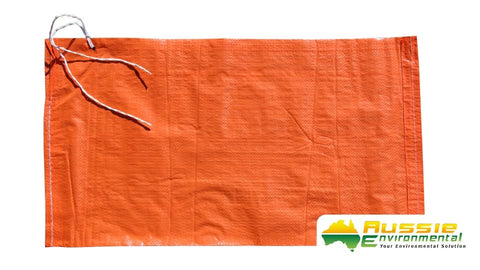
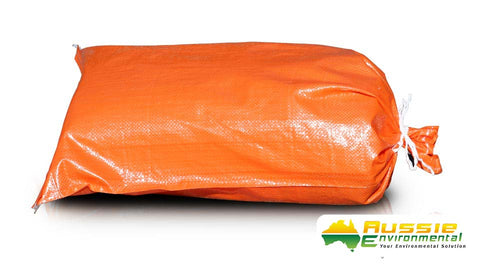
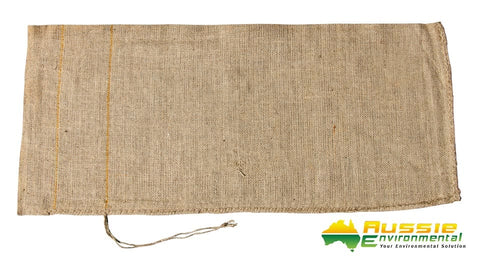
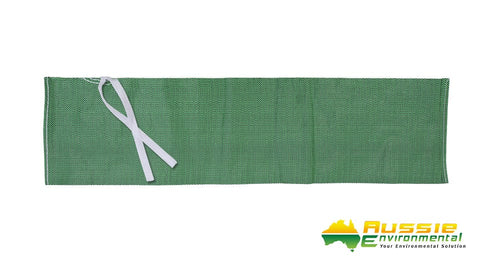
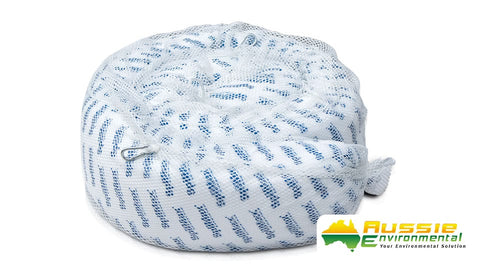
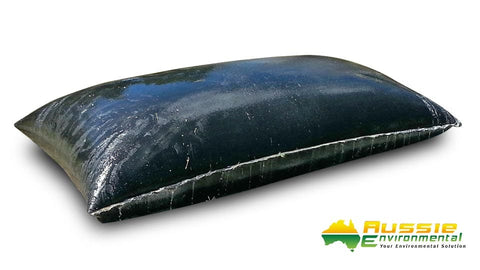
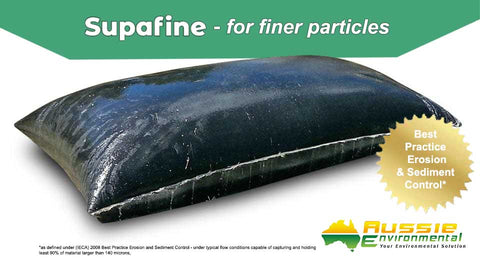
Sandbags are still widely used and have been the go-to for decades as a temporary response to flooding. They are simple and easy to use - bags filled with sand that are stacked on top of each other to form a barrier in order to slow or divert flood water.
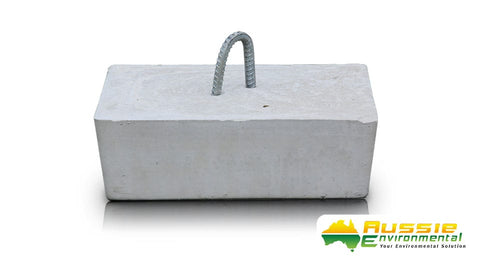
However, a larger number of sandbags are needed in order to be effective, and a fair amount of fit, strong people are required to carry and stack them manually, making the whole process both time consuming and labour intensive. Sandbags are not water-tight, so water will still seep through gaps and between layers of bags, and in high-volume floods they are liable to shift or collapse, making them only a temporary measure.
Often, they need to be disposed of after contamination, and realistically, they need to be stored close by, so they are readily available should they be needed.
What About Flood Barriers?
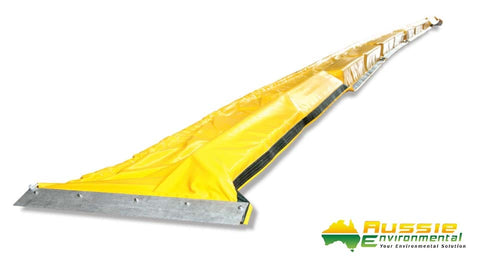
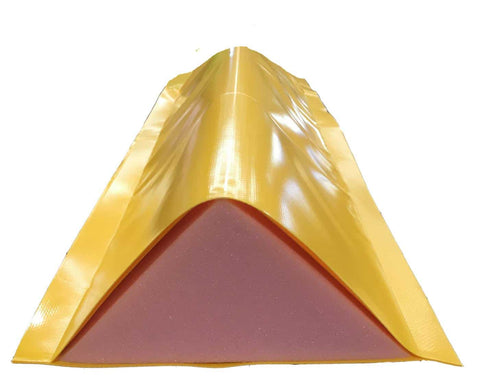
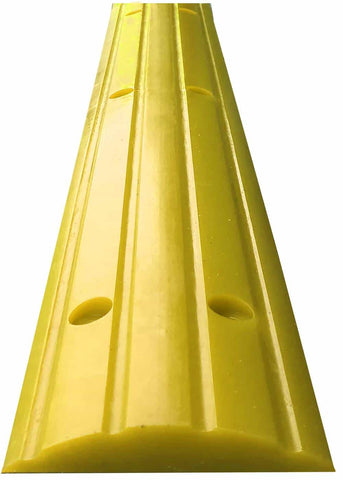
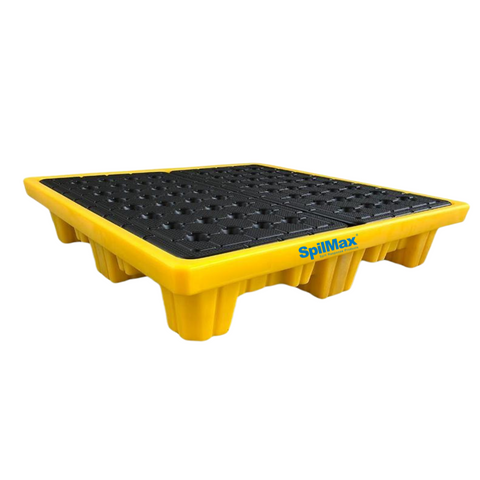
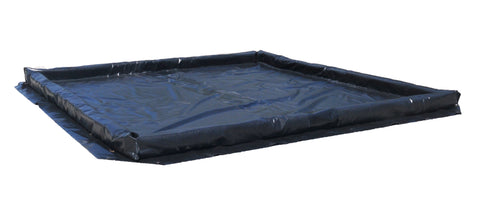
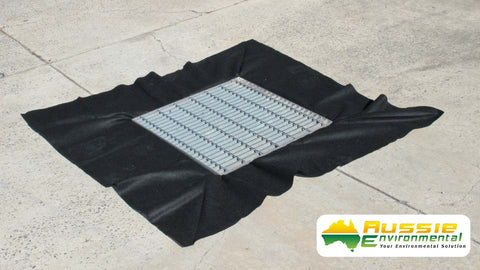
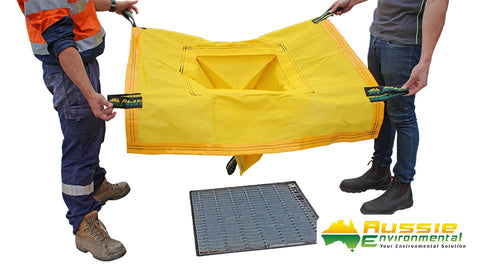
Flood barriers are designed to provide a more reliable protection than sandbags, because they are engineered systems that look more technically at all aspects of flood water, and help to prevent it from entering buildings, basements, garages and driveways. Unlike sandbags, they are generally systems that are reusable, lightweight, and engineered for a faster and more effective deployment.
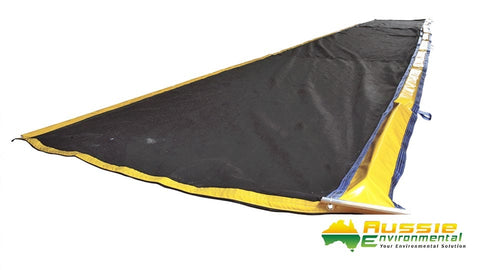
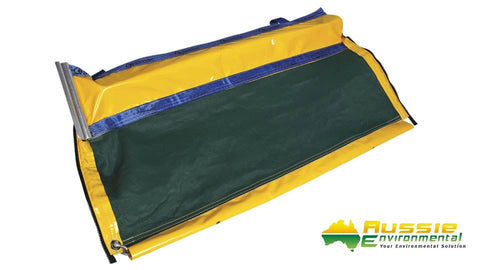
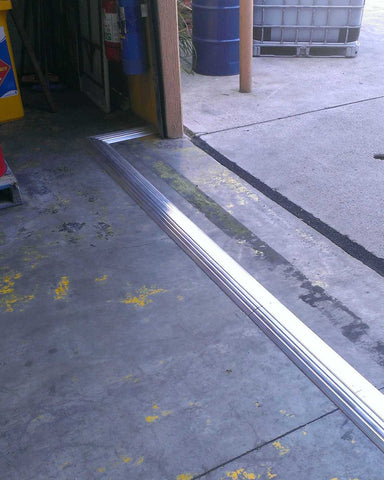
Flood barriers come in different shapes and sizes in order to protect your property from rising flood waters. Perimeter barriers are temporary and demountable and designed to be installed around the property perimeter.
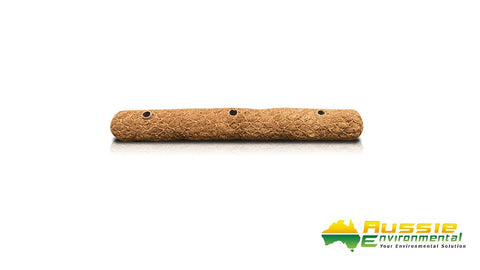
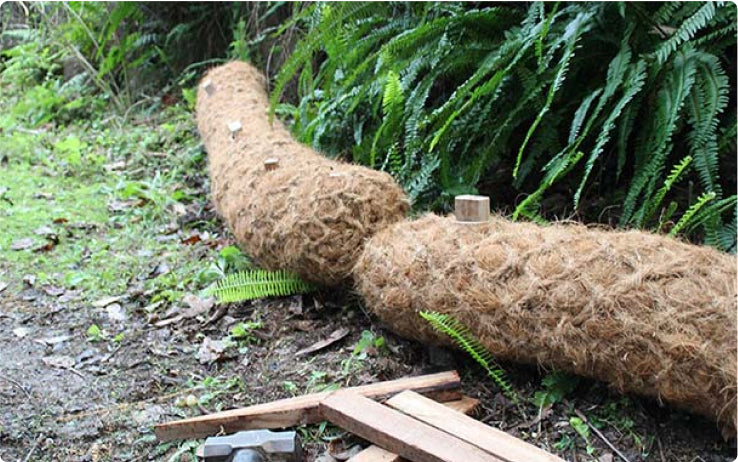
Flood gates, shields and garage barriers can temporarily seal openings against slow-rising flood water. Flexible flood barrier tubes filled with water or gel can act as temporary levees, and in-situ barriers are permanently installed and designed to work automatically to form a barrier when triggered.
The type of flood barrier you choose will depend on the type of flooding you are worried about, (e.g. flash flooding or slow-rising river water), which areas of your home need protecting (e.g. the garage, or the entire perimeter), and you budget.
Key Differences
- Sandbags: They often require filling so set-up time is slow, and they are heavy to move. Water will leak or seep through over time so they become less effective, and are usually single use. They also require a lot of manpower to assemble.
- Modern Flood Barriers: They are fast and lightweight to install, and are usually a one-person job. They are very effective, creating water-tight seals and can be reused time and time again.
All in all, sandbags are good, but flood barriers are better!