












Flood Barriers Explained: Types, Uses, and How to Choose the Right Solution

As with everything today, they are numerous choices when it comes to flood barriers, and it can seem like a bit of a minefield choosing the right protection for your property.
Firstly, you need to ascertain the level of protection you need, and the type of flooding you are likely to experience. You need materials that are durable enough to withstand high water pressure and harsh weather. If you need portable barriers, they need to be lightweight and easy to move for quick deployment, or more permanent features need to provide solid and durable protection that won't rust or disintegrate over time.
By selecting the right material, you will improve your flood protection. For residential properties, polyethylene and PVC are lightweight and easy to move materials, while concrete and steel provide maximum strength for high-risk areas. Aluminium and composite can be both durable and attractive making them popular choices for commercial settings.
Temporary and Portable Barriers
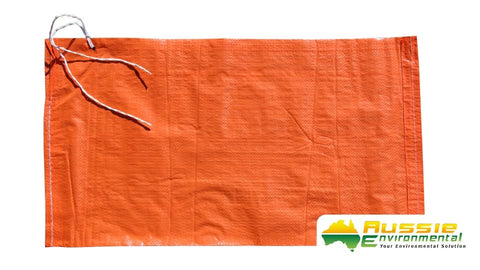
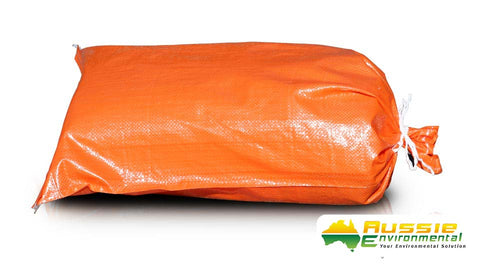
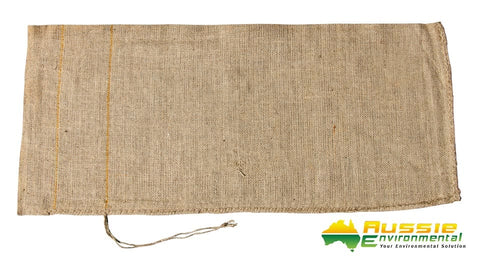
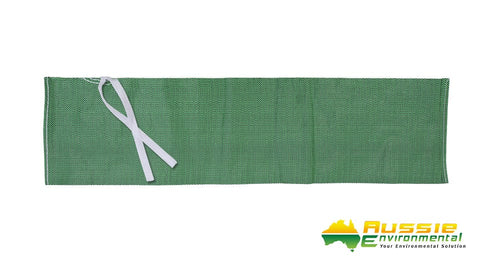
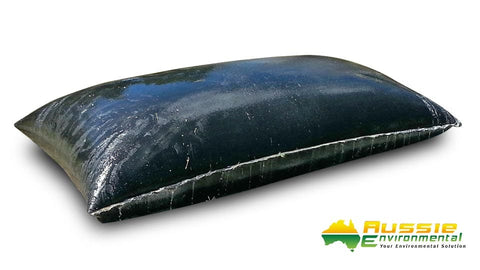
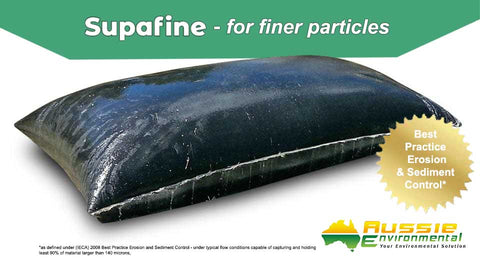
These types of barriers are suitable for every household because they are readily available should the inevitable occur. They are great in an emergency and quick and easy to deploy. Traditional temporary barriers came in the form of sandbags, which are still used and effective today. However, they are heavy to move and require a lot of helping hands.
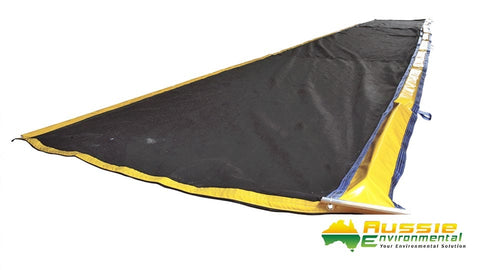
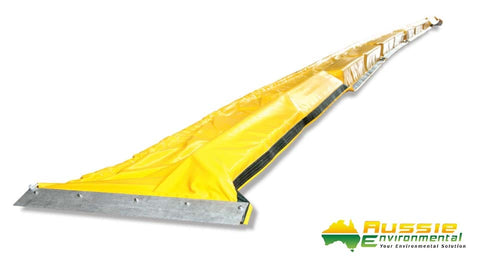
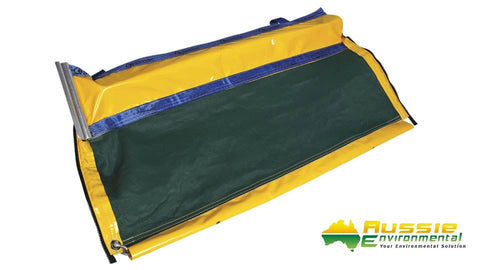
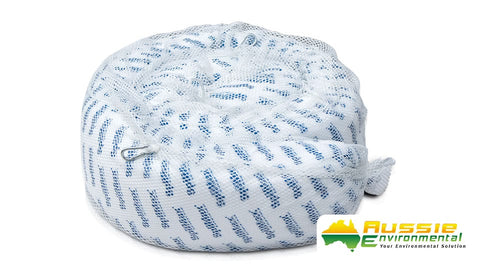
More modern barriers come in the form of large, inflatable tubes usually filled with water or air that become anchored by water pressure. Other barriers absorb water and expand to form a seal. Plastic or PVC barriers link together and use the floodwater's weight to stay anchored in place.
Demountable Barriers
These are permanently installed fixings like posts or slots, with temporary panels that can be installed when needed. Glass flood walls are very popular because they keep the views open whilst blocking flood water. High-strength structural glass is used and provides strong protection and permanent barriers whilst still maintaining visibility. Flood fences are durable, waterproof fencing that prevent water from reaching the property, or area at risk.
Permanent and Automatic Barriers
These types of systems are as they sound; permanently fixed and designed to operate without human intervention when a flood occurs. The rising flood water activates the system, which is usually invisible until it is activated. Once activated, these systems float and lock into a vertical position as the flood water rises, forming a secure seal against the building or landscape they are protecting.
Structural or Landscape Defences
These include permanent flood walls made of highly durable and solid materials like cement, steel or bricks, that surround the property or landscape they are designed to protect. Other structural defences can include permanent earth dams like levees or dikes that are more natural and designed to hold back water.
How to Choose the Right Flood Barrier for you
As the first line of defence against flood waters, choosing the right barrier is an important decision and may prove to be a very wise long-term investment, especially if you are in a high-risk area. At Aussie Environmental we are always happy to help you with the range of options we sell because we know that by proactively investing in these barriers you can significantly reduce the risk of costly repairs.
Understanding the type of flood risk, you may be affected by will affect your choice of barriers. River, coastal, surface water, ground water and flash floods all have different onset times, duration and depth, and so will dictate the most suitable type of barrier for your property.