












Creating a Native Habitat With Coir Logs and Jute Matting

If you’re looking for a practical and eco-friendly way to restore a natural landscape, then why not try coir logs and jute matting. These natural materials support biodiversity by stabilising soil, preventing erosion, and providing the perfect environment for native vegetation to thrive.
Made from coconut husk fibres and biodegradable fabrics, coir logs and jute matting protect waterways and slopes while encouraging the growth of local plants by retaining moisture and nutrients.
With materials that break down naturally, you can create an environmentally friendly native habitat that nurtures wildlife and strengthens the surrounding ecosystem.
What are Coir Logs and Jute Matting?
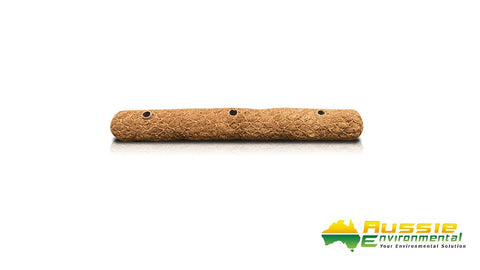
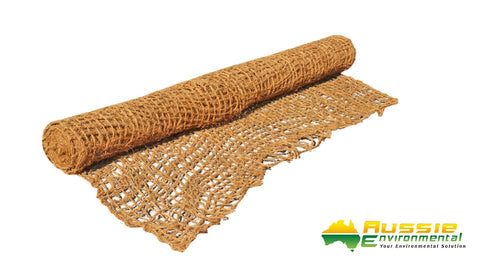
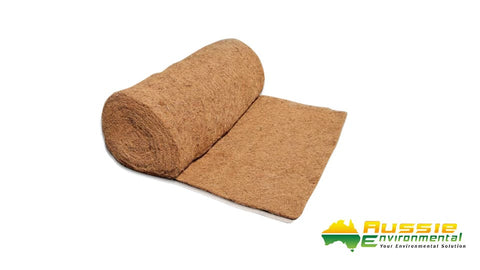
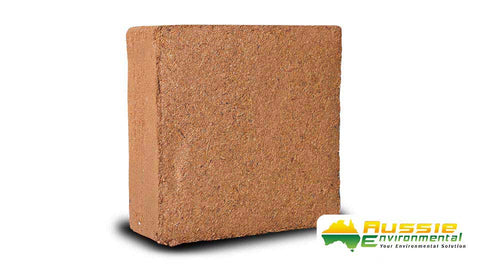
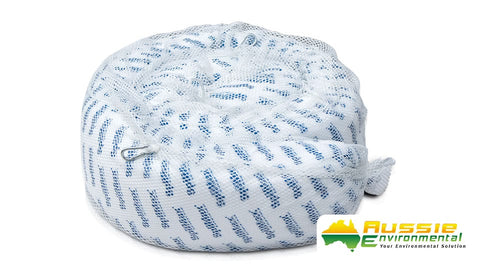
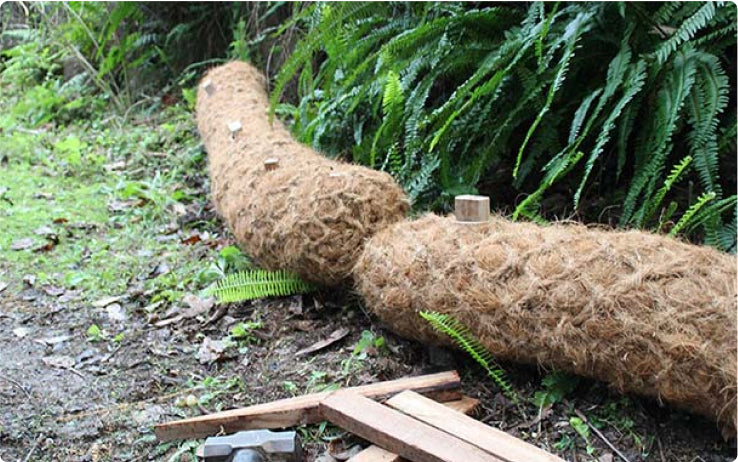
Coir Logs are made from coconut husk fibres that are formed into cylindrical rolls and densely packed within strong netting. Commonly used in erosion control, riverbank protection, and revegetation projects they act as a natural barrier, slowing water flow, trapping sediment, and creating a stable base for native plants to establish their roots.
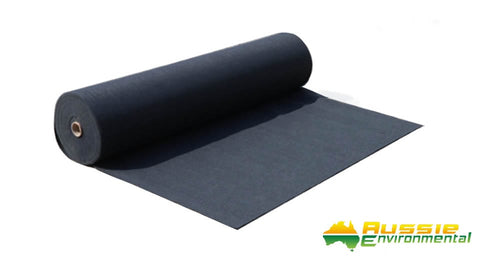
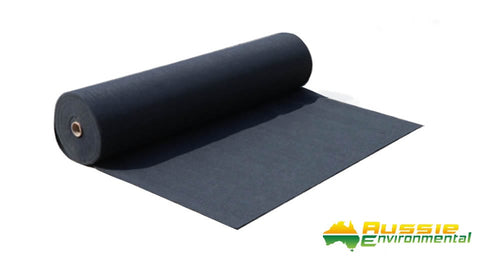
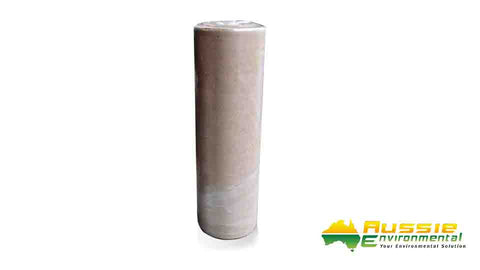
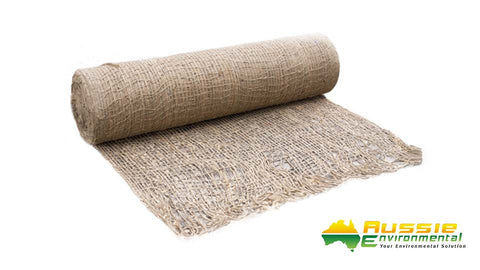
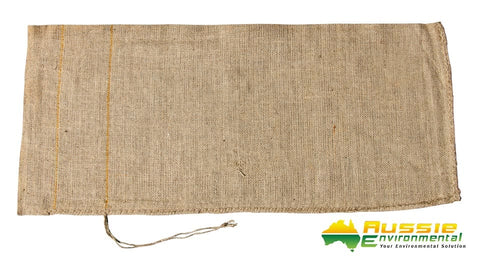
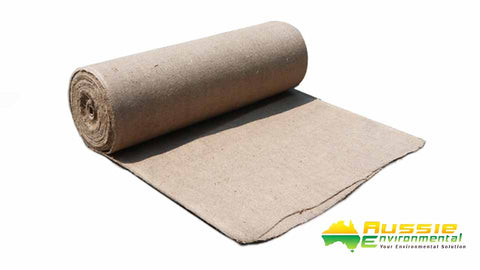
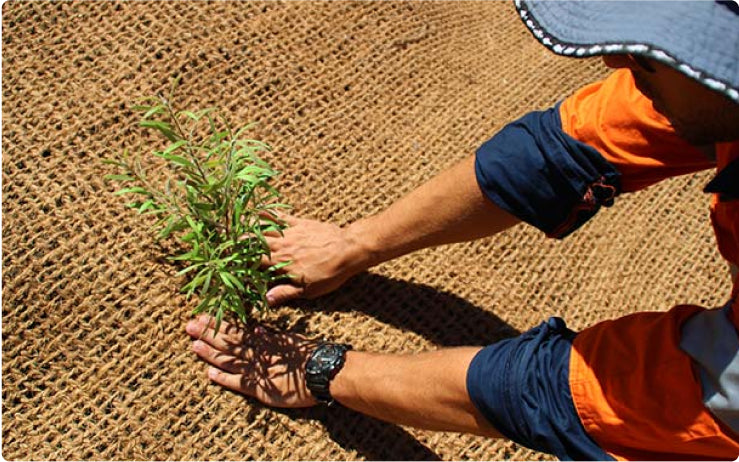
Jute Matting is a woven, biodegradable fabric made from natural jute fibres. It is used to stabilise ground, prevent erosion, suppress weeds, and retain moisture, while supporting seed germination and plant growth.
Both materials are durable, biodegradable, and provide a sustainable habitat for small animals and aquatic life as they gradually decompose.
Benefits of Coir Logs and Jute Matting
Individually or together, coir logs and jute matting offer a range of environmental, practical, and long-term benefits:
- Erosion Control: Both materials stabilise soil on slopes, riverbanks, and construction sites, reducing washouts.
- Supports Native Vegetation: They retain moisture and nutrients, helping native plants establish strong roots.
- Eco-Friendly: Made from natural, biodegradable fibres, they break down over time without leaving harmful residues.
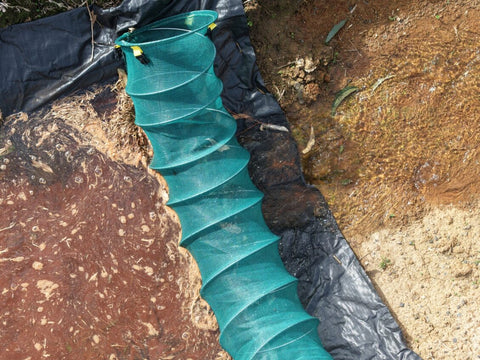
- Waterway Protection: Coir logs slow water flow, filter sediments, and improve water quality.
- Habitat Creation: They provide shelter for insects, aquatic species, and small wildlife as vegetation grows.
- Cost-Effective: Low-maintenance and self-sustaining once vegetation establishes.
How to use Coir Logs and Jute Matting
To ensure the successful outcome of the native habitat, the installation of coir logs and jute matting must be performed correctly:
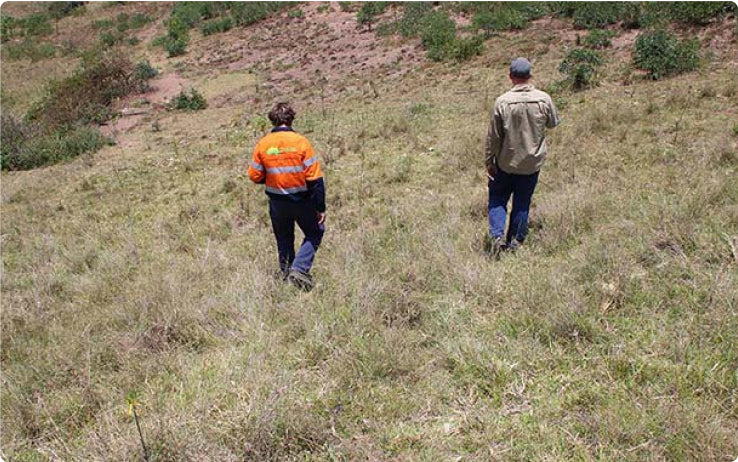
- Prepare the Site: Start by removing weeds, levelling uneven soil, and identify areas prone to erosion.
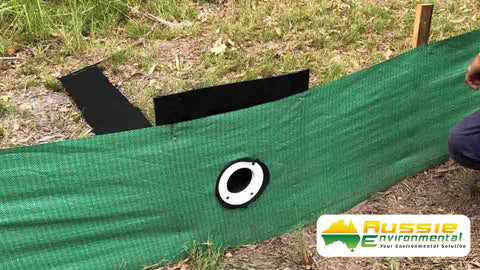
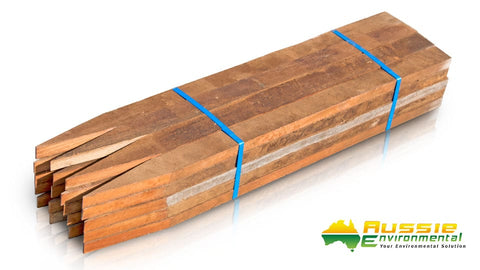
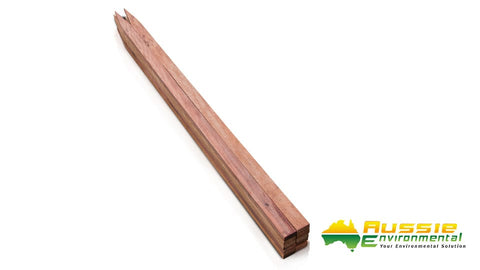
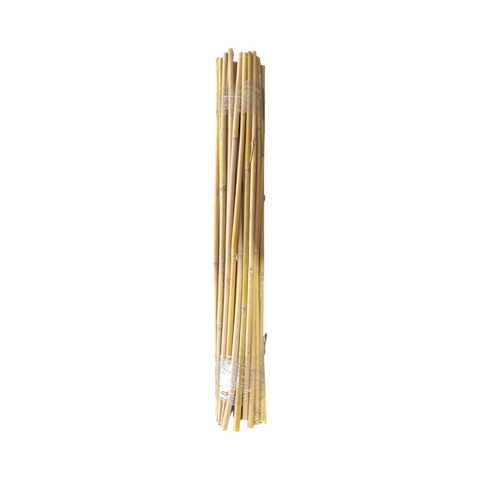
- Place Coir Logs: Position the logs along waterways, slopes, or boundaries where water flow needs slowing or soil needs stabilising. Secure them with wooden stakes so they stay in place while vegetation establishes.
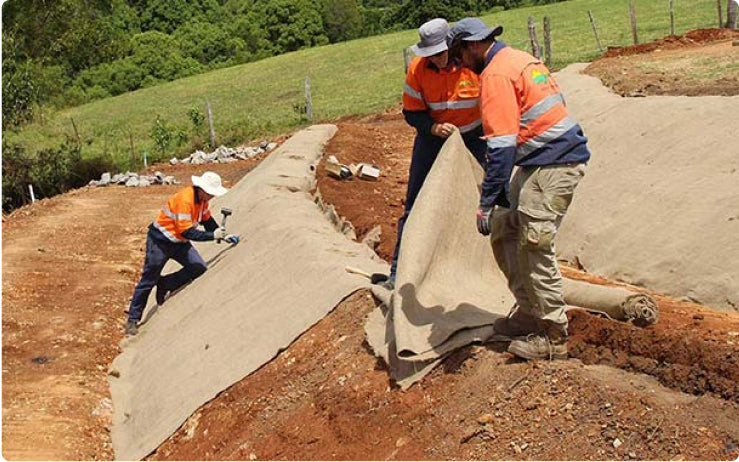
- Lay Jute Matting: Place the matting over exposed soil surfaces, ensuring it fits snugly to the ground with overlaps on edges. Pin it down with U-shaped retaining pins.
- Sow Seeds: Plant native grasses, shrubs, or groundcovers directly through slits in the jute.
Over time, the logs and matting hold moisture, reduce erosion, and create a protective environment for seedlings to grow. As they naturally decompose, they leave behind a thriving, self-sustaining ecosystem that supports local plants, wildlife, and waterways.
Conclusion
Creating a native habitat with coir logs and jute matting is a simple yet powerful way to restore and protect natural landscapes. With several benefits, these sustainable, biodegradable tools provide the perfect foundation for native plants to thrive. Use coir logs and jute matting to protect waterways and land, creating a lasting, resilient environment.
At Aussie Environmental, we have a wide range of coir logs and jute matting to suit your purposes. Browse our range now.